English
 عربى
عربى BLDC
BLDC

Content
- 1 What Is an Aluminum Profile and Why It's So Widely Used
- 2 How Aluminum Profiles Are Manufactured
- 3 Common Aluminum Alloys Used in Profile Extrusion
- 4 Popular Applications for Aluminum Profiles
- 5 How to Choose the Right Aluminum Profile for Your Project
- 6 Tips for Cutting, Drilling, and Assembling Aluminum Profiles
- 7 Why Aluminum Profiles Are a Smart Long-Term Investment
- 8 Final Thoughts on Working With Aluminum Profiles
What Is an Aluminum Profile and Why It's So Widely Used
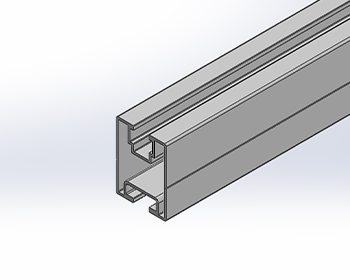
An aluminum profile is a shaped piece of aluminum, typically produced through an extrusion process, that's designed to serve a specific structural or functional purpose. Instead of starting with a flat sheet or solid bar, manufacturers push heated aluminum through a custom-shaped die, creating long lengths of material with a consistent cross-section, whether that's a simple square tube, a T-slot frame rail, or a complex multi-chamber shape used in windows and doors. This process allows incredible design flexibility while keeping the material lightweight and strong.
Aluminum profiles show up almost everywhere once you start looking for them, window and door frames, solar panel mounting systems, industrial automation frames, LED lighting channels, furniture components, and countless machine enclosures. Their popularity comes down to a combination of properties that few other materials can match: aluminum is naturally corrosion-resistant, roughly a third the weight of steel, easy to machine, and fully recyclable without losing its structural properties.
How Aluminum Profiles Are Manufactured
Understanding the manufacturing process helps explain why aluminum profiles perform so well in demanding applications, and why quality can vary significantly between suppliers.
The Extrusion Process
Aluminum billets are heated to around 400-500°C, hot enough to become malleable but still solid, then forced through a steel die under immense hydraulic pressure. The die shapes the aluminum into the desired cross-section as it emerges on the other side, similar to squeezing toothpaste through a shaped nozzle. The resulting profile is then stretched to straighten it, cut to length, and typically artificially aged in an oven to reach its final hardness and strength.
Surface Finishing Options
Raw extruded aluminum profiles are often finished further to improve appearance, corrosion resistance, or durability. Anodizing creates a hard, non-conductive oxide layer on the surface and is available in various colors. Powder coating applies a durable, colorful finish that resists chipping and fading. Mill finish, meaning no additional treatment, is sometimes used for internal structural components where appearance doesn't matter as much as cost.
Common Aluminum Alloys Used in Profile Extrusion
Not all aluminum is the same, and the alloy chosen for a profile significantly affects its strength, corrosion resistance, and suitability for different applications. The table below outlines some of the most commonly used alloys.
| Alloy | Key Properties | Typical Applications |
| 6063 | Good finish, moderate strength | Window frames, architectural trim |
| 6061 | High strength, good machinability | Industrial frames, automation systems |
| 6082 | High strength, good fatigue resistance | Structural and load-bearing components |
| 7075 | Very high strength, lower corrosion resistance | Aerospace and high-stress components |
For most general industrial and architectural projects, 6063 and 6061 alloys cover the vast majority of use cases, offering a solid balance of strength, workability, and cost. Higher-performance alloys like 7075 are typically reserved for specialized applications where maximum strength justifies the added expense.
Popular Applications for Aluminum Profiles
The versatility of aluminum profiles means they show up across a huge range of industries. Here are some of the most common uses you'll encounter.
- T-slot framing systems for building machine enclosures, workstations, and conveyor frames
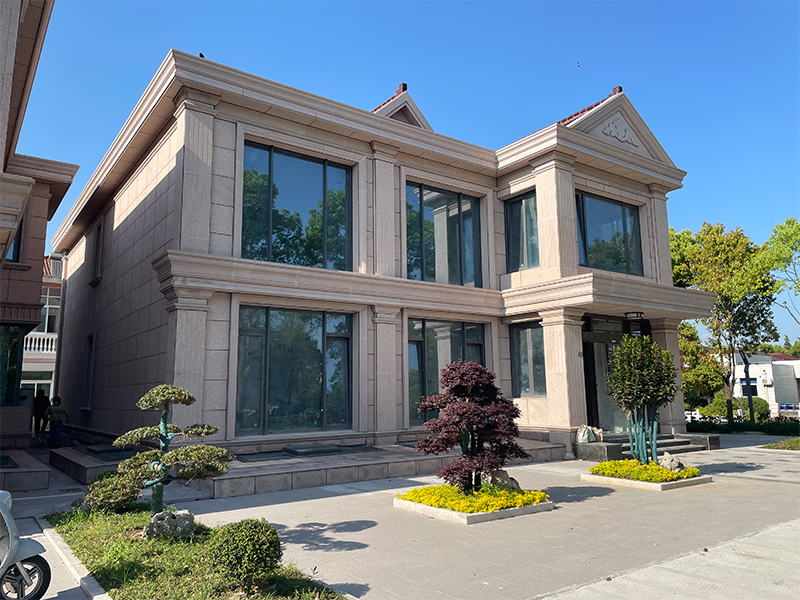
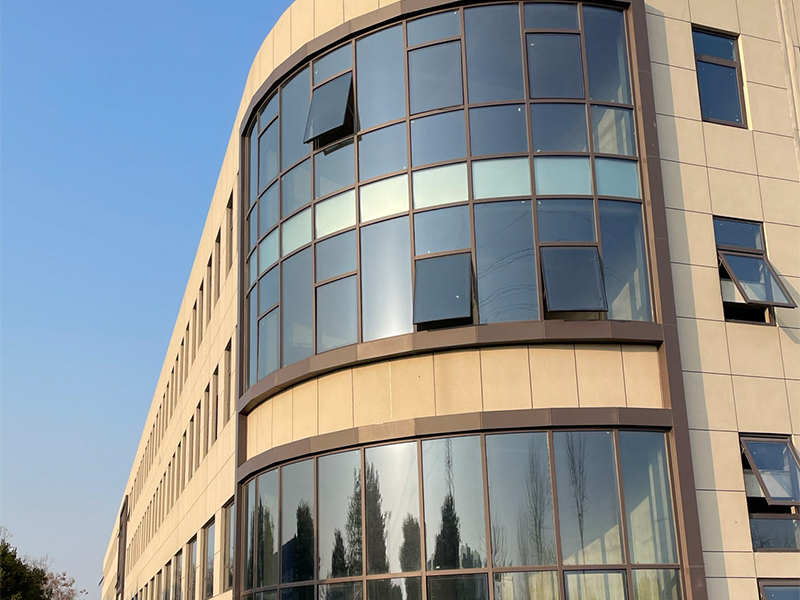
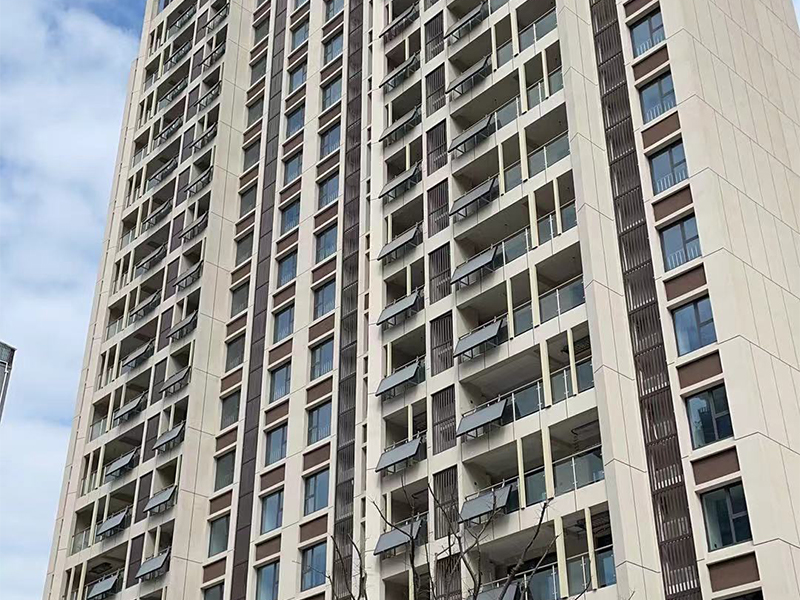
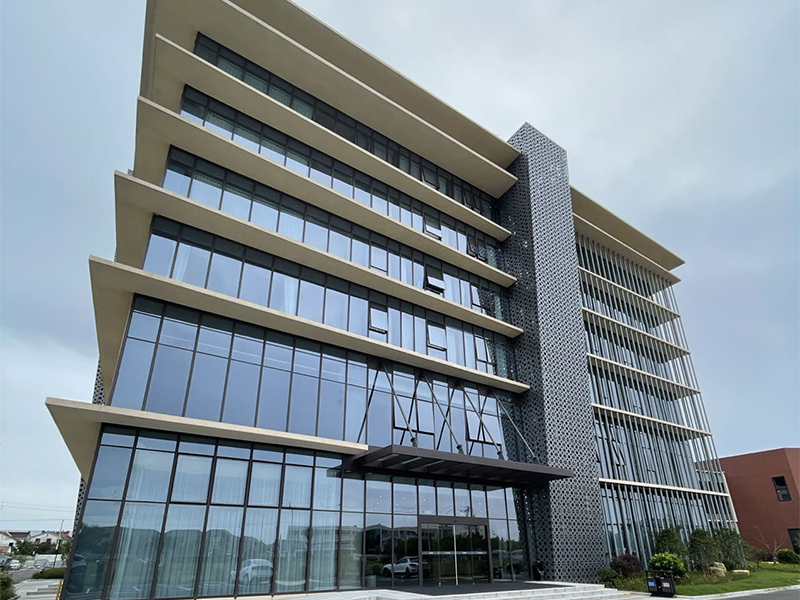
- Window and door frames in residential and commercial construction
- LED strip lighting channels that diffuse light and dissipate heat
- Solar panel mounting rails and racking systems
- Furniture legs, handles, and structural frame components
- Heat sinks for electronics and industrial equipment cooling
How to Choose the Right Aluminum Profile for Your Project
Selecting the right aluminum profile involves more than picking a shape off a catalog page. A few key considerations can make a big difference in how well the final product performs.
Consider the Load and Stress Requirements
If the profile will bear significant weight or experience repeated stress, such as in a machine frame or structural support, choosing a higher-strength alloy like 6061 or 6082 is important. For purely cosmetic or low-stress applications, a lighter-duty alloy like 6063 is often sufficient and more cost-effective.
Factor in Environmental Exposure
Profiles used outdoors or in humid environments benefit from anodized or powder-coated finishes to maximize corrosion resistance. Coastal installations, in particular, should avoid alloys with lower corrosion resistance, since salt air can accelerate pitting and surface degradation over time.
Tips for Cutting, Drilling, and Assembling Aluminum Profiles
Working with aluminum profiles is generally straightforward compared to steel, but a few practical tips help avoid common mistakes.
- Use a fine-tooth blade designed for non-ferrous metals to avoid tearing or burring the cut edge
- Clamp profiles securely before drilling to prevent the bit from grabbing and spinning the workpiece
- Deburr all cut ends to remove sharp edges before handling or assembly
- Use T-slot nuts and brackets designed specifically for your profile's slot dimensions
- Apply anti-seize compound on fasteners when joining aluminum to dissimilar metals to prevent galvanic corrosion
Galvanic corrosion is worth paying particular attention to, since aluminum profiles in direct contact with steel or copper hardware in the presence of moisture can corrode faster than expected. Using compatible fasteners or isolating dissimilar metals with washers helps prevent this issue over the long term.
Why Aluminum Profiles Are a Smart Long-Term Investment
Beyond their immediate performance benefits, aluminum profiles offer excellent long-term value. They resist corrosion far better than untreated steel, require minimal maintenance, and retain their structural integrity for decades in most environments. Because aluminum is fully recyclable without any loss of material quality, profiles can also be reclaimed and reused at the end of a project's life, making them an increasingly popular choice for businesses focused on sustainable building and manufacturing practices.
Final Thoughts on Working With Aluminum Profiles
Whether you're building a custom machine frame, installing a solar array, or designing architectural windows, aluminum profiles offer a rare combination of strength, light weight, and design flexibility that's hard to beat. Taking the time to choose the right alloy, finish, and shape for your specific application pays off in better performance and fewer headaches down the road. With proper handling and assembly practices, an aluminum profile can provide decades of reliable service across nearly any project you have in mind.