English
 عربى
عربى BLDC
BLDC

Content
- 1 Why Windows Aluminum Extrusions Are the Backbone of Modern Window Frames
- 2 Common Types of Aluminum Extrusions Used in Window Manufacturing
- 3 Key Benefits of Choosing Aluminum Extrusions for Window Projects
- 4 Surface Finishes and Their Impact on Performance
- 5 Comparing Aluminum Extrusions to Other Window Frame Materials
- 6 What to Look for When Sourcing Aluminum Extrusions for Window Manufacturing
- 7 Maintenance Practices That Keep Aluminum Window Frames Performing Well
Why Windows Aluminum Extrusions Are the Backbone of Modern Window Frames
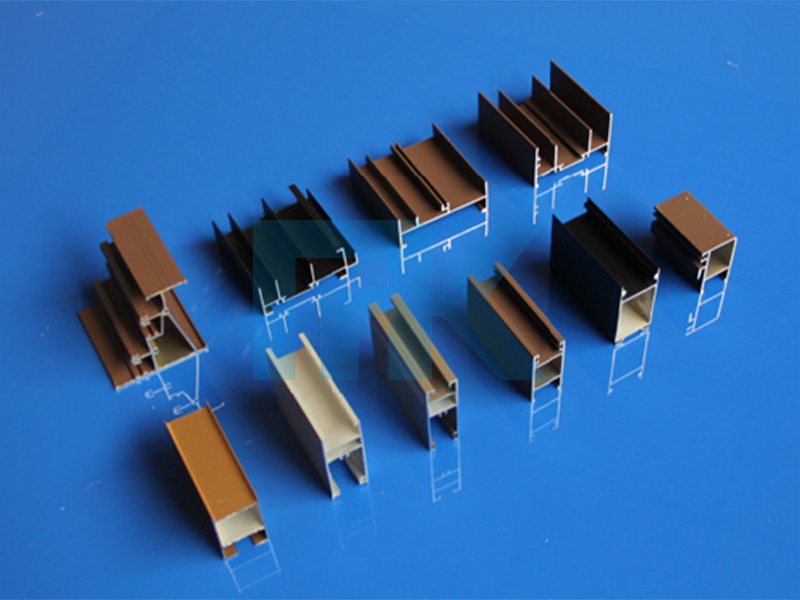
Windows aluminum extrusions are precision-formed aluminum profiles created by forcing heated aluminum billets through a shaped die, producing the long, consistent frame sections used to build window sashes, frames, and mullions. This manufacturing process allows for complex cross-sections that would be difficult to achieve with other materials, giving window manufacturers the ability to integrate weather seals, drainage channels, and reinforcement chambers directly into the profile shape itself.
Aluminum's natural strength-to-weight ratio makes it a popular choice for window framing, especially in commercial buildings and modern residential projects where large glass panes need a frame strong enough to support the weight without becoming bulky. Compared to vinyl or wood, aluminum extrusions offer a slimmer sightline while still meeting structural load requirements, which is part of why architects favor them for contemporary window designs.
Common Types of Aluminum Extrusions Used in Window Manufacturing
Different window styles call for different extrusion profiles, each engineered to handle specific structural and functional requirements.
Thermally Broken Extrusions
These profiles include an insulating polyamide barrier between the interior and exterior aluminum sections, reducing heat transfer significantly and making them the standard choice for energy-efficient window systems in most climates.
Non-Thermally Broken Extrusions
Lacking the insulating barrier, these extrusions conduct heat and cold more directly, making them less common for residential windows but still used in industrial buildings, warehouses, or mild climate applications where thermal performance is less critical.
Sliding Window Extrusions
Designed with integrated tracks and rollers channels, these profiles allow smooth horizontal movement while maintaining a tight seal against drafts and water intrusion.
Casement and Awning Window Extrusions
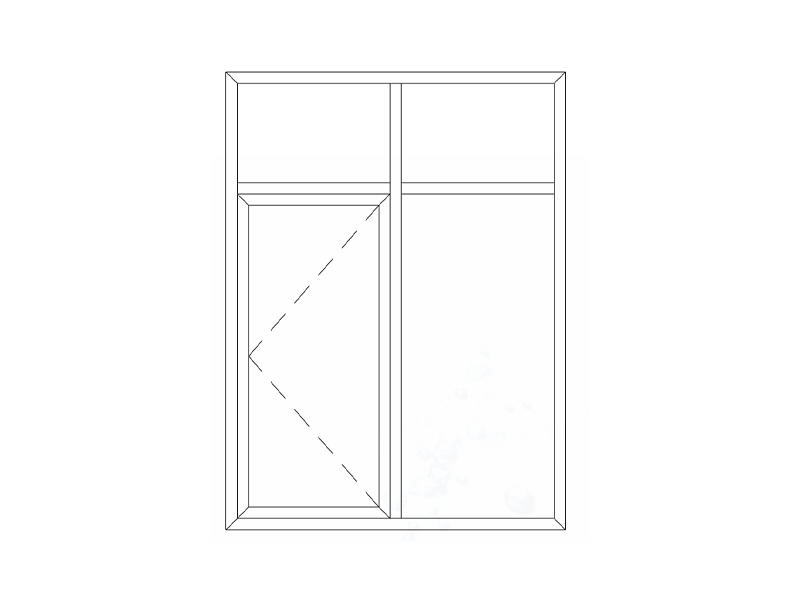
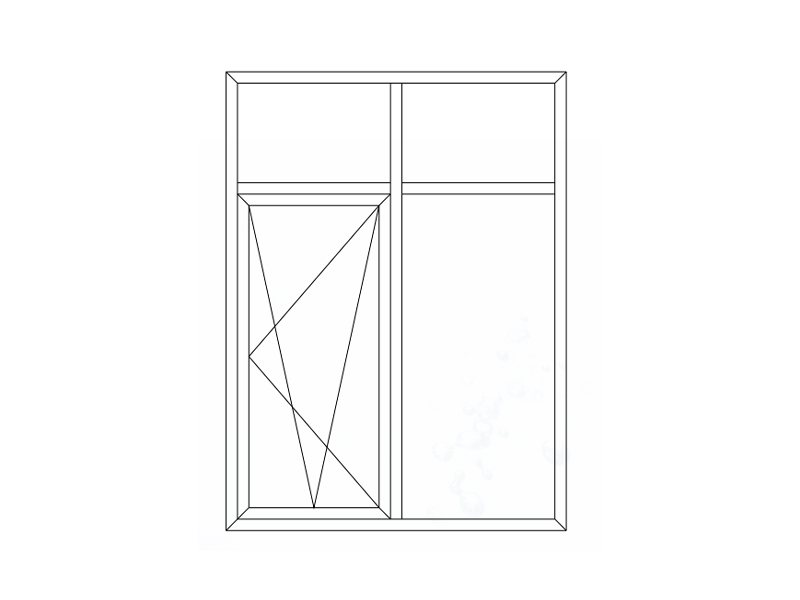
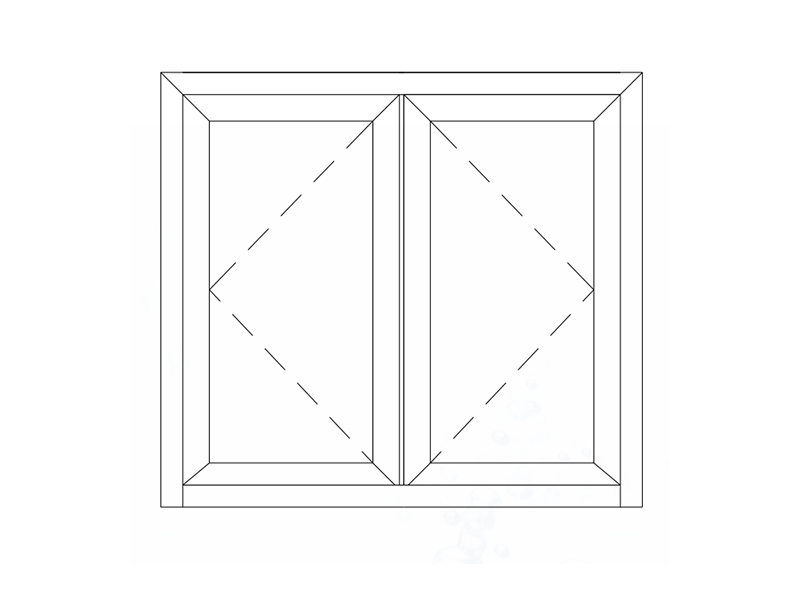
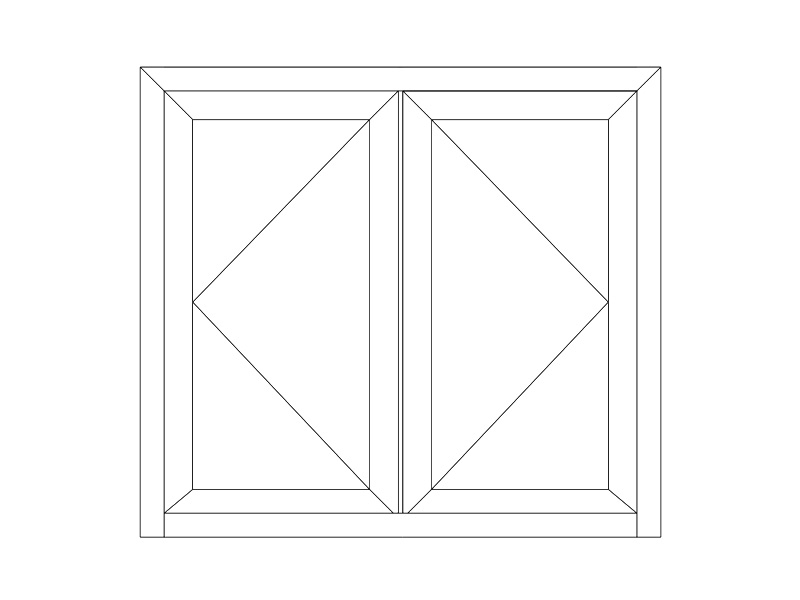
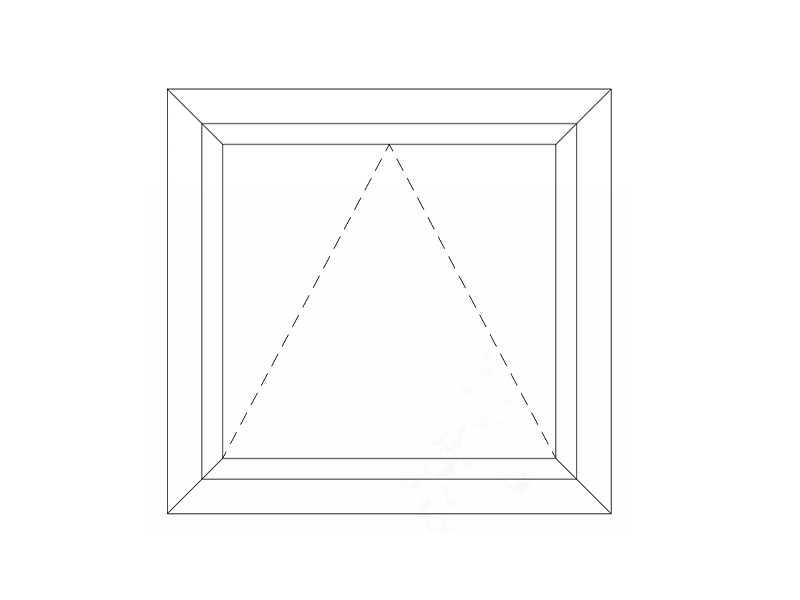
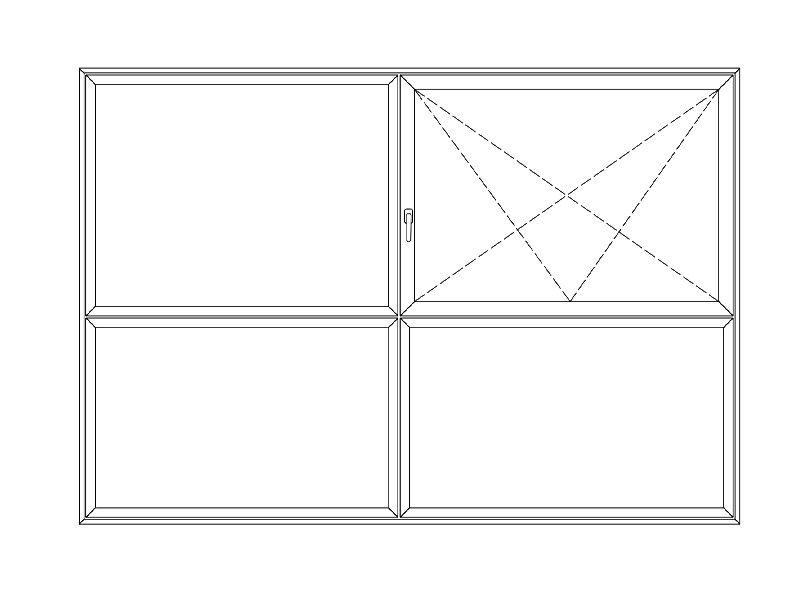
Built with hinge-compatible edges and stronger reinforcement chambers, these extrusions support windows that swing open, requiring extra rigidity to handle the leverage placed on the frame when the sash is extended outward.
Key Benefits of Choosing Aluminum Extrusions for Window Projects
Builders and architects consistently choose aluminum extrusions for windows because of a combination of performance and practicality that other materials struggle to match.
- High strength-to-weight ratio allowing slim frames without sacrificing structural support
- Natural corrosion resistance, especially when anodized or powder coated
- Design flexibility, since custom dies can produce nearly any cross-sectional shape needed
- Long service life with minimal warping, cracking, or rotting compared to wood frames
- Recyclability, making aluminum a more sustainable option at the end of a window's life cycle
Surface Finishes and Their Impact on Performance
The finish applied to windows aluminum extrusions affects not just appearance but also long-term durability and resistance to environmental wear.
Anodized Finishes
Anodizing creates a hard oxide layer on the aluminum surface, improving corrosion resistance and providing a consistent, durable finish that holds up well in coastal or humid environments.
Powder Coated Finishes
Powder coating offers a wider range of color options and a thicker protective layer, making it popular for architectural projects that require specific branding or design colors while maintaining weather resistance.
Comparing Aluminum Extrusions to Other Window Frame Materials
Selecting the right frame material depends on balancing cost, insulation needs, and structural demands. The table below compares aluminum extrusions against common alternatives.
| Material | Thermal Performance | Structural Strength |
| Aluminum Extrusion | Good with thermal break | Excellent |
| Vinyl (uPVC) | Very Good | Moderate |
| Wood | Very Good | Good |
| Fiberglass | Excellent | Excellent |
What to Look for When Sourcing Aluminum Extrusions for Window Manufacturing
Whether you're a window fabricator or a contractor sourcing materials directly, a few key specifications determine whether an extrusion will meet project requirements.
- Alloy grade, since 6063 aluminum is the industry standard for window extrusions due to its balance of strength and extrudability
- Wall thickness consistency, which affects structural integrity across long profile runs
- Thermal break quality, especially the polyamide strip material and bonding method used
- Finish certification, confirming the anodizing or powder coating meets relevant industry standards
- Dimensional tolerance, since tight tolerances ensure smoother assembly and better sealing during installation
Maintenance Practices That Keep Aluminum Window Frames Performing Well
While aluminum extrusions are known for their durability, a bit of routine care keeps window frames looking and functioning their best over the years. Cleaning the frames periodically with mild soap and water removes dirt and salt buildup that can gradually wear down protective finishes, especially in coastal areas. Checking weatherstripping and seals around the extrusion profiles annually helps maintain energy efficiency, since worn seals allow drafts even when the aluminum frame itself remains structurally sound. For sliding window extrusions, keeping the track channels free of debris ensures smooth operation and prevents unnecessary strain on rollers and hardware over time.