English
 عربى
عربى BLDC
BLDC

Content
What Aluminium Balustrades Are and Why They're So Popular
Aluminium balustrades are railing systems made primarily from aluminium framing, used along balconies, staircases, decks, pool areas, and verandas to provide a safety barrier while still allowing visibility through. Unlike timber or wrought iron, aluminium offers a rare combination of being lightweight, naturally corrosion-resistant, and low-maintenance, which is exactly why it has become one of the most requested balustrade materials for both new builds and renovation projects. Most aluminium balustrade systems pair powder-coated aluminium posts and frames with infill panels made from glass, slats, mesh, or vertical bars, giving homeowners a wide range of looks without compromising on durability.
The appeal of aluminium balustrades goes beyond just looks. Because aluminium doesn't rust the way steel can, and doesn't warp, crack, or rot the way timber does over time, it holds up exceptionally well in outdoor environments exposed to rain, humidity, and direct sun. This makes aluminium balustrading a particularly strong choice for coastal properties, where salt air accelerates corrosion in many other metals, as well as for pool fencing, where constant moisture exposure quickly degrades less resistant materials.
Common Styles of Aluminium Balustrades to Choose From
Aluminium balustrade systems come in a handful of distinct styles, each suited to different architectural looks and functional needs. Glass balustrades pair an aluminium frame with toughened glass panels, offering unobstructed views and a sleek, modern look that's especially popular for balconies and pool areas where maintaining sightlines matters. Slat or batten balustrades use horizontal or vertical aluminium slats spaced evenly apart, striking a balance between privacy, airflow, and a contemporary aesthetic that suits both residential and commercial settings.
Popular Aluminium Balustrade Styles Compared
| Style | Best Suited For | Key Benefit |
| Glass infill | Balconies, pool areas, view-focused spaces | Unobstructed views, modern appearance |
| Slat or batten | Decks, verandas, privacy screens | Airflow with partial privacy |
| Vertical bar | Staircases, classic-style homes | Traditional look, strong visibility |
| Mesh infill | Properties with children or pets | Added security and fall protection |
Where Aluminium Balustrades Work Best Around the Home
While balustrades are often associated with staircases, aluminium systems are versatile enough to suit a much wider range of applications around a property. Balcony balustrades benefit enormously from aluminium's light weight, since it places less structural load on the balcony itself compared to heavier materials, while still meeting the strength requirements needed for fall protection at height. Pool fencing is another area where aluminium balustrades excel, largely because the material's resistance to chlorine and constant moisture means it won't corrode or deteriorate the way untreated steel would in the same environment.
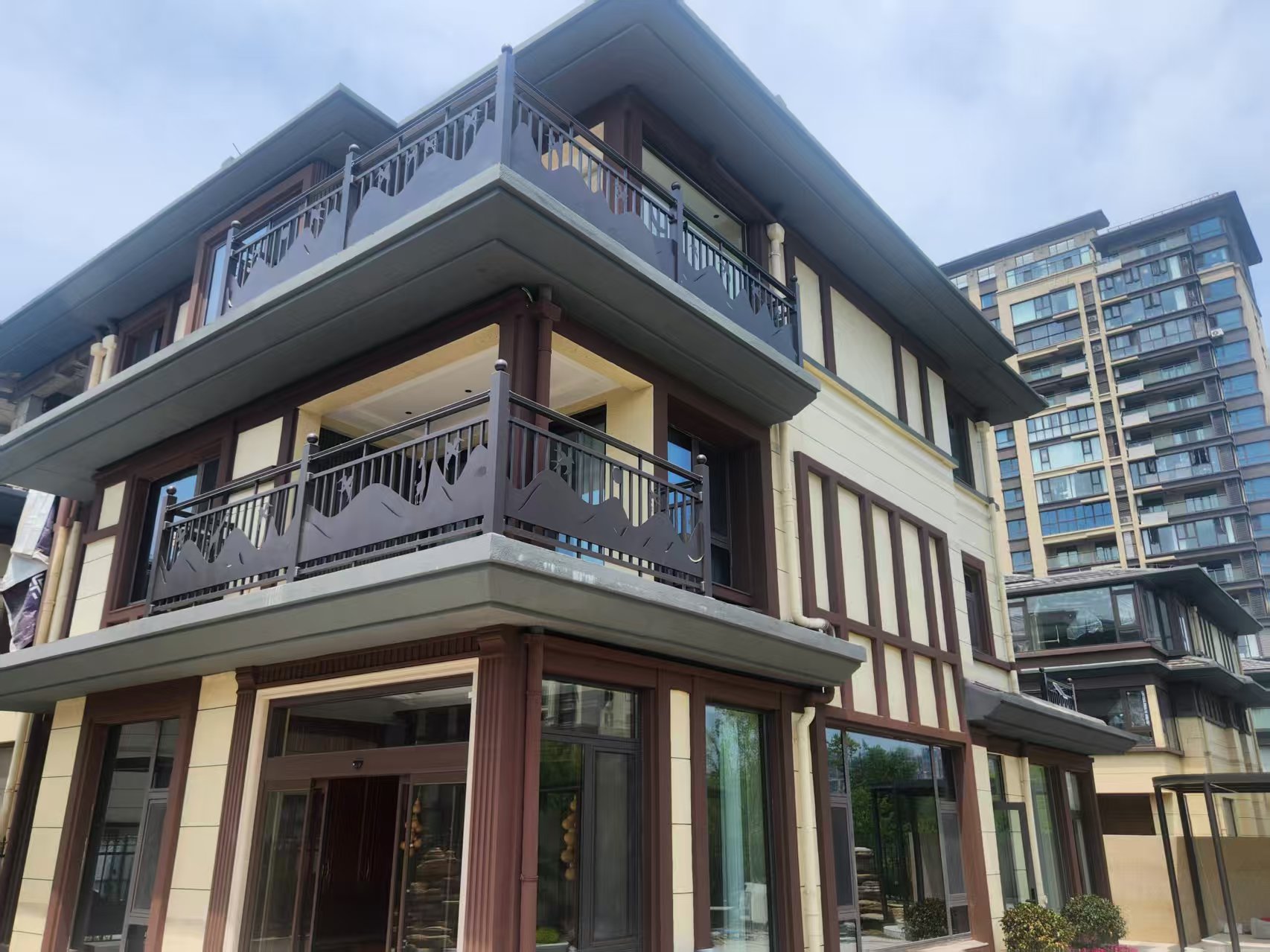
Typical Applications Around a Property
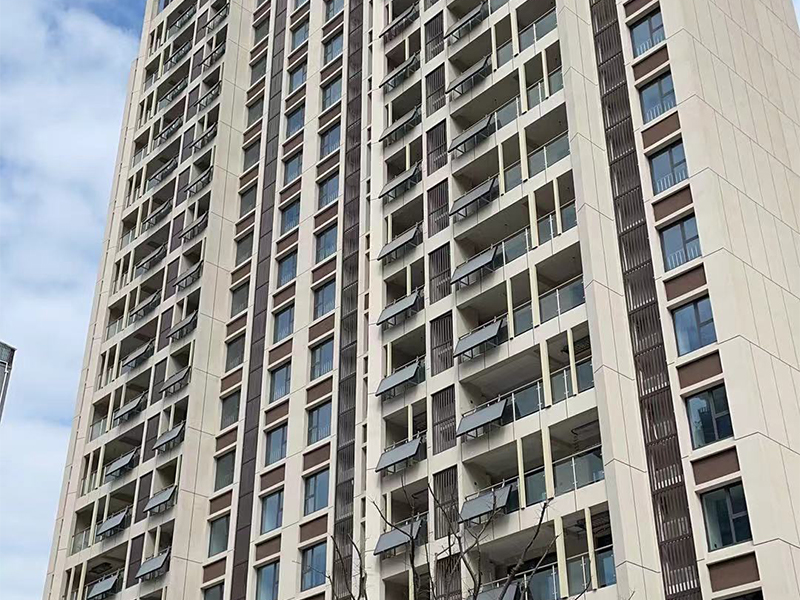
- Balcony and terrace railings on multi-story homes and apartments
- Pool fencing where compliance with safety barrier height regulations is required
- Internal and external staircases needing both safety and visual openness
- Deck and veranda perimeters exposed to ongoing weather conditions
- Commercial walkways and public spaces requiring low-maintenance railings
Key Factors to Consider Before Installing Aluminium Balustrades
Before committing to a particular aluminium balustrade system, a few practical factors deserve attention to ensure the final result meets both safety standards and personal preferences. Local building codes typically specify minimum balustrade height, maximum gap sizes between balusters, and load-bearing requirements, especially for balconies and pool fencing, so confirming these details with a supplier or local authority before installation avoids costly rework later. The powder coating finish is another important consideration, since a high-quality coating not only determines the final color but also adds an extra layer of protection against weathering, scratches, and fading over years of outdoor exposure.
Questions Worth Asking Before You Commit
- Does the system meet local height and gap-spacing safety requirements for your application
- What grade of aluminium and powder coating is used, and what warranty applies
- Is the infill style child-safe and pool-compliant if relevant to your property
- Can the system be customized in length and color to match existing architecture
- Is professional installation required, or is the system designed for DIY assembly
Maintaining Aluminium Balustrades for Long-Term Performance
One of the biggest selling points of aluminium balustrades is how little ongoing maintenance they actually require compared to timber or untreated steel alternatives. A simple rinse with water and a mild detergent every few months is typically enough to keep the powder-coated finish looking fresh, removing dust, salt residue, or grime before it has a chance to build up. Unlike timber balustrades, there's no need for sanding, sealing, or repainting over the years, and unlike steel, there's no risk of rust streaks forming around joints or fixings.
For glass-infill aluminium balustrades, a periodic glass cleaning routine keeps panels looking clear, and checking that fixing points remain firmly secured is a good habit to build into seasonal home maintenance checks. Coastal properties may benefit from slightly more frequent rinsing to clear salt buildup, but even in harsh environments, aluminium balustrades generally outperform other materials by a wide margin when it comes to long-term upkeep and appearance retention.