English
 عربى
عربى BLDC
BLDC

Content
- 1 Why Aluminium Dominates Commercial Window and Door Projects
- 2 Key Types of Aluminium Commercial Window Systems
- 3 Aluminium Commercial Doors: Entry, Fire-Rated, and Automatic Options
- 4 Comparing Aluminium to Other Commercial Framing Materials
- 5 Energy Efficiency Considerations for Aluminium Systems
- 6 Cost Factors and Budgeting for a Commercial Project
- 7 Maintenance Tips to Keep Commercial Aluminium Systems Performing Well
Why Aluminium Dominates Commercial Window and Door Projects
Aluminium commercial windows & doors have become the default choice for office buildings, retail storefronts, schools, and high-rise developments for a simple reason: aluminium offers a combination of strength, slim sightlines, and low maintenance that other materials struggle to match at commercial scale. Unlike timber, which requires regular sealing and refinishing, or uPVC, which can struggle to support the large spans common in commercial design, aluminium framing holds its shape under heavy use and large glass panels without sagging or warping.
Commercial projects also tend to have stricter requirements around fire safety, accessibility, and building codes than residential ones, and aluminium systems are widely manufactured to meet these standards. Many aluminium commercial doors and windows come pre-engineered with options for fire-rated glazing, ADA-compliant thresholds, and reinforced frames suitable for high-traffic entryways, which makes specifying them for a commercial build significantly more straightforward than trying to adapt a residential-grade product.
Key Types of Aluminium Commercial Window Systems
Not all aluminium commercial windows are built the same way, and choosing the right system depends on the building's design, climate, and intended use. Here are the main categories you'll encounter when specifying a project.
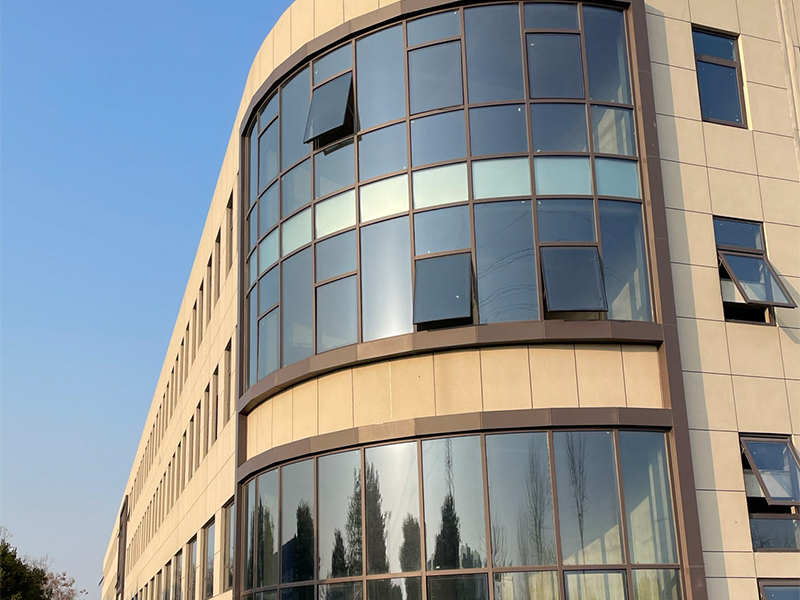
- Curtain wall systems, which create a continuous glass facade across multiple floors and are common in office towers and modern retail buildings.
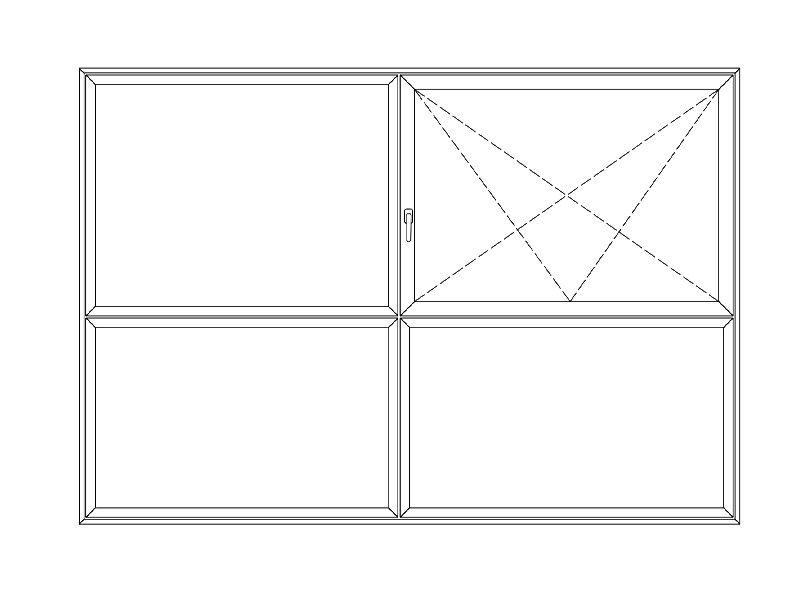
- Storefront systems, designed for ground-floor commercial spaces that need large, fixed glass panels combined with entry doors for maximum street visibility.
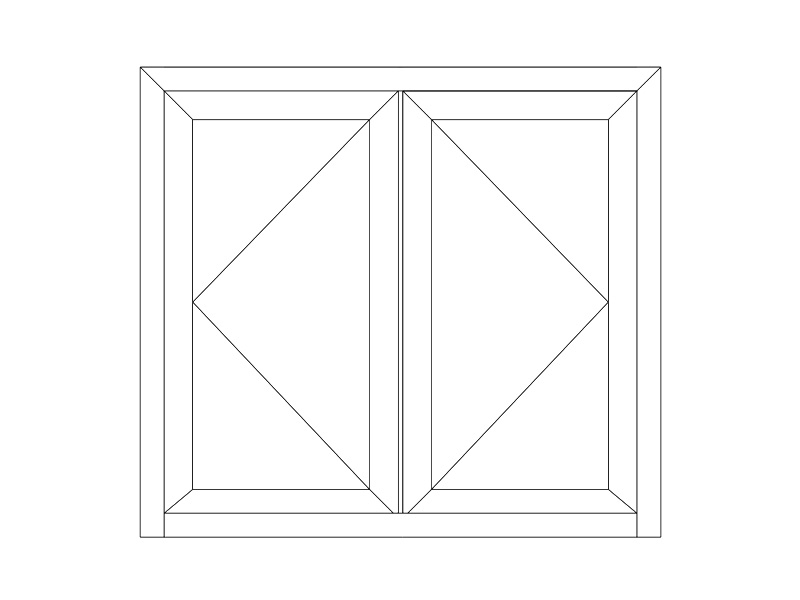
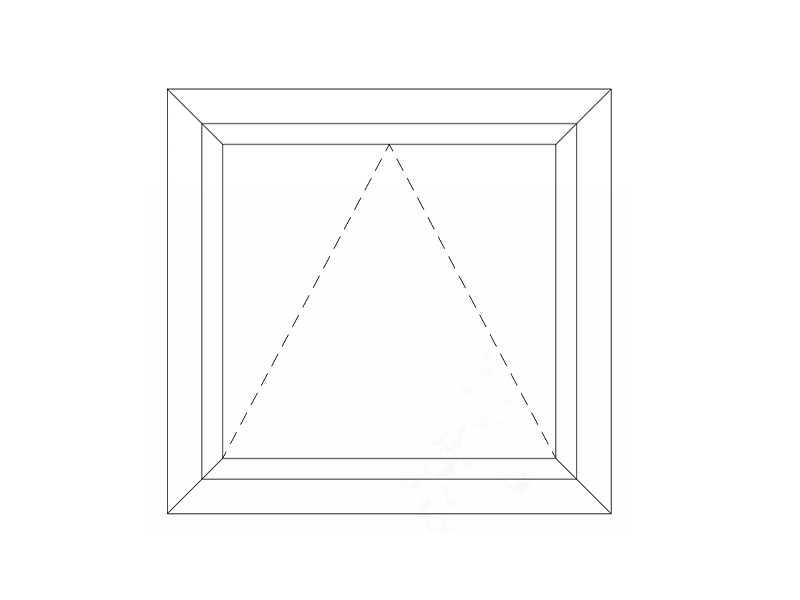
- Casement and awning windows, which open outward on hinges and are often used in schools, hospitals, and buildings that need operable ventilation alongside fixed glazing.
- Sliding and folding window systems, useful for spaces like cafes or community centers that benefit from a wide, open-air feel during business hours.
- Thermally broken aluminium windows, which include an insulating barrier between the interior and exterior frame to reduce heat transfer in climate-controlled buildings.
Most commercial projects end up combining more than one of these systems, such as pairing a storefront entry with thermally broken upper-floor windows, so it's worth discussing your building's full layout with a supplier before finalizing a single system type.
Aluminium Commercial Doors: Entry, Fire-Rated, and Automatic Options
Doors take far more daily abuse than windows in a commercial setting, so the door side of an aluminium commercial windows & doors package deserves just as much attention as the glazing.
Standard Entry Doors
Most commercial buildings use medium or heavy-duty aluminium entry doors with reinforced corners and continuous hinges designed to handle thousands of open-close cycles per year without loosening. These doors typically pair with narrow-stile or wide-stile frames depending on whether the design calls for a sleeker look or additional structural support.
Fire-Rated Aluminium Doors
Buildings like hospitals, schools, and multi-story offices often require fire-rated aluminium doors at specific points in the building, such as stairwells or sections separating different fire zones. These doors are tested and labeled for a specific fire-resistance duration, commonly ranging from 20 minutes to 90 minutes, and must be installed with matching fire-rated hardware and glazing to maintain their rating.
Automatic and ADA-Compliant Doors
For buildings with high foot traffic or accessibility requirements, automatic sliding or swinging aluminium doors are frequently specified at main entrances. These systems integrate sensors and low-energy operators that allow the door to open automatically, helping buildings meet accessibility codes while also improving traffic flow during busy periods.
Comparing Aluminium to Other Commercial Framing Materials
When specifying a commercial project, it helps to see how aluminium stacks up against the other materials commonly used in window and door framing.
| Feature | Aluminium | Steel | uPVC |
| Strength-to-weight ratio | Excellent | Very strong but heavy | Moderate |
| Maximum span capability | Large | Large | Limited |
| Maintenance needs | Low | Moderate, rust risk | Low |
| Design flexibility | High, slim profiles | High, slim profiles | Moderate, bulkier frames |
| Relative cost | Mid to high | High | Low to mid |
Steel remains a strong competitor for projects needing extremely slim, industrial-style sightlines, but it comes at a higher cost and requires more attention to prevent corrosion over time. For most commercial projects balancing budget, performance, and appearance, aluminium framing tends to offer the best overall value.
Energy Efficiency Considerations for Aluminium Systems
One common concern with aluminium is its natural tendency to conduct heat, which can lead to energy loss if a system isn't designed properly. The good news is that modern aluminium commercial windows & doors are built specifically to address this issue.
Thermally broken frames separate the interior and exterior aluminium sections with a non-conductive barrier, typically made of polyamide, which significantly reduces heat transfer through the frame itself. When paired with double or triple-pane insulated glass units, low-emissivity coatings, and properly sealed weatherstripping, an aluminium system can meet strict energy codes even in extreme climates. Building owners specifying a new system should ask suppliers for the specific U-factor and solar heat gain coefficient ratings of their proposed aluminium windows and doors, since these numbers directly affect long-term heating and cooling costs.
Cost Factors and Budgeting for a Commercial Project
Budgeting accurately for aluminium commercial windows and doors requires looking beyond just the price per unit, since several variables affect the total project cost.
- Frame complexity and finish, since powder-coated or anodized finishes in custom colors cost more than standard mill or clear anodized finishes.
- Glass specification, as impact-resistant, fire-rated, or high-performance insulated glass units add significantly to the per-square-foot cost.
- Hardware grade, since heavy-duty commercial hinges, closers, and locking systems cost more upfront but reduce maintenance and replacement frequency over time.
- Installation complexity, particularly for curtain wall systems on multi-story buildings that require scaffolding or specialized lifting equipment.
- Lead times, since custom-sized or specialty-finished aluminium systems often take several weeks longer to manufacture than standard stock sizes.
Getting quotes from at least two or three suppliers, and asking each one to break down costs by frame, glass, hardware, and installation separately, makes it much easier to compare bids accurately and avoid surprises once the project is underway.
Maintenance Tips to Keep Commercial Aluminium Systems Performing Well
Aluminium is low-maintenance compared to other framing materials, but a basic upkeep routine still extends the lifespan and appearance of commercial windows and doors significantly.
Frames should be cleaned periodically with mild soap and water to remove dirt, pollution residue, and salt buildup in coastal areas, since these can dull the finish over time if left unaddressed. Weatherstripping and seals around both windows and doors should be inspected at least once a year, as worn seals are one of the most common causes of air and water infiltration in otherwise well-built aluminium systems. Door hardware, including hinges, closers, and automatic operators, benefits from periodic lubrication and adjustment to prevent excessive wear from the high cycle counts typical of commercial entryways. Addressing small issues like a sticking door or a minor seal gap quickly can prevent more costly repairs and helps the entire aluminium commercial windows & doors system perform reliably for decades.