English
 عربى
 BLDC

Aluminum extrusion profiles sit quietly behind an enormous amount of everyday engineering. They hold the safety guard around a robot cell, carry a solar panel through a decade of wind, frame a window that has to open smoothly for the next twenty years, and house the resistor that keeps a drive running. What makes them so useful is not one single property but the combination: a low weight-to-strength ratio, dependable corrosion behaviour, and a cross-section that can be designed to do exactly one job. This guide walks through the profile families you are most likely to specify, the alloys behind them, and the decisions that separate a frame that lasts from one that rattles.
Content
- 1 What an Extruded Profile Really Is
- 2 Alloys and Tempers: The Two Numbers That Matter Most
- 3 A Practical Map of the Profile Families
- 4 T-Slot Profiles: The Modular Building Block
- 5 Solar Racking Profiles and Their Load Path
- 6 Architectural Profiles for Windows and Doors
- 7 Custom Profiles and the Tooling Question
- 8 Finishes and Tolerances You Should Write Down
- 9 A Short Checklist Before You Order
What an Extruded Profile Really Is
You start with a heated aluminum billet, push it through a steel die under pressure, quench and stretch the result, then cut and age it to the required temper. A die can produce a solid shape, a hollow tube with internal webs, or something in between, and it is this freedom of cross-section that separates extrusion from rolling or casting. Designers use it to put stiffness exactly where a load arrives and to remove material where it does not.
Two practical points are worth remembering. First, wall thickness drives both strength and cost, and very uneven walls make a die harder to fill and the profile harder to keep straight. Second, the as-extruded surface is only a starting point: most profiles are anodized or powder coated before they leave the plant. If you would like the longer version of that process, our article on how aluminum extrusions are made walks through it step by step.
Alloys and Tempers: The Two Numbers That Matter Most
Most profiles in the world are 6xxx-series alloy, and within that family 6063 is the workhorse: it extrudes cleanly, takes a good anodized finish, and reaches useful strength at T5 or T6. When a frame has to carry real load, 6061 or 6082 in T6 gives noticeably higher strength at the cost of a little extrusion speed and surface quality. 6005A sits in between and appears often in transport and solar work.
A temper is not a formality. T5 means the profile is cooled from the press and then artificially aged; T6 adds a solution heat treatment before ageing. Two profiles with identical cross-sections but different tempers will behave differently under the same bolt torque and the same wind load, so always specify both the alloy and the temper on the drawing rather than letting the mill guess.
A Practical Map of the Profile Families
Below is the rough landscape we see across day-to-day enquiries. Treat it as a starting point for the conversation with your supplier, not as a substitute for a load calculation or a project-specific specification.
| Profile family | Common alloy and temper | Where you will see it |
|---|---|---|
| T-slot industrial profiles | 6063-T5, 6061-T6 | Machine frames, workbenches, safety enclosures |
| Solar rails and mounting | 6005A-T5, 6063-T6 | Rooftop, ground and carport PV structures |
| Window and door profiles | 6063-T5/T6, thermal break | Residential openings, commercial facades |
| Custom housings and cases | 6061-T6, 6063-T5 | Power resistor cases, electronics enclosures |
| Heavy structural sections | 6082-T6, 6061-T6 | Load-bearing platforms and support beams |
T-Slot Profiles: The Modular Building Block
Nothing in the industrial world is more familiar to us than the T-slot family. The idea is simple: a slot down each face lets you bolt a frame together with T-nuts and brackets instead of welding it, so the structure can be adjusted, extended or dismantled later. The series numbering refers to the nominal width across the profile, running from 20 and 30 series up through 40, 45, 50, 60, 80, 90, 100 and 120, with slot widths of roughly 6, 8 or 10 mm depending on size.
The 40 series is the one most workshops settle on, because it is stiff enough for machine guards and workbenches while staying light enough to move by hand. Heavier series take over when you are spanning a distance or carrying vibration. Alongside the profiles themselves, the system only works if the small parts are right: roll-in nuts, hammer nuts, angle brackets, corner gussets, end caps and cover strips all need to match the slot geometry of the series you have chosen.
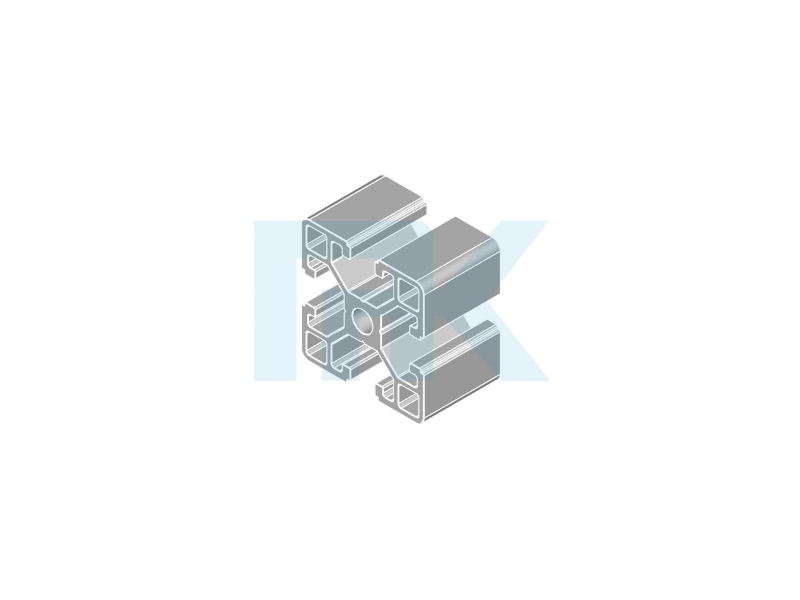 MK-8-4040S 40 Series T-Slot Aluminum ExtrusionThe 40 Series profile for guards and workbenches: 40x40 mm, four T-slots, 6063-T5 aluminum, anodized finish, 1.323 kg/m.View Product →
Typical uses include machine frames, assembly benches, conveyor supports, laser enclosure walls and test rigs. If you sketch the layout with the slot orientation in mind, assembly at the customer site becomes a great deal faster.
Solar Racking Profiles and Their Load Path
PV mounting looks simple from the ground and is anything but in the details. A rail has to span between supports, carry the panel load plus wind uplift and snow, and still sit flat enough for clamps to grip evenly. That is why solar rails tend to be deeper than they look and why the fasteners are so specific: mid clamps and end clamps of different heights, channel nuts with defined torque values, and L-feet or hooks matched to the roof type.
 MK267 Solar Rails for Solar Racking SystemsReview MK267 Solar Rails within MK Solar Racking Systems when comparing rails for roof conditions, panel loads, and later service access.View Product →
Three questions shape the selection. What is the roof or ground condition? What wind and snow loads apply locally? And how will the array be serviced later? Coastal or high-humidity sites push you toward thicker anodizing and stainless hardware, while large flat roofs often favour ballasted layouts that avoid penetration entirely.
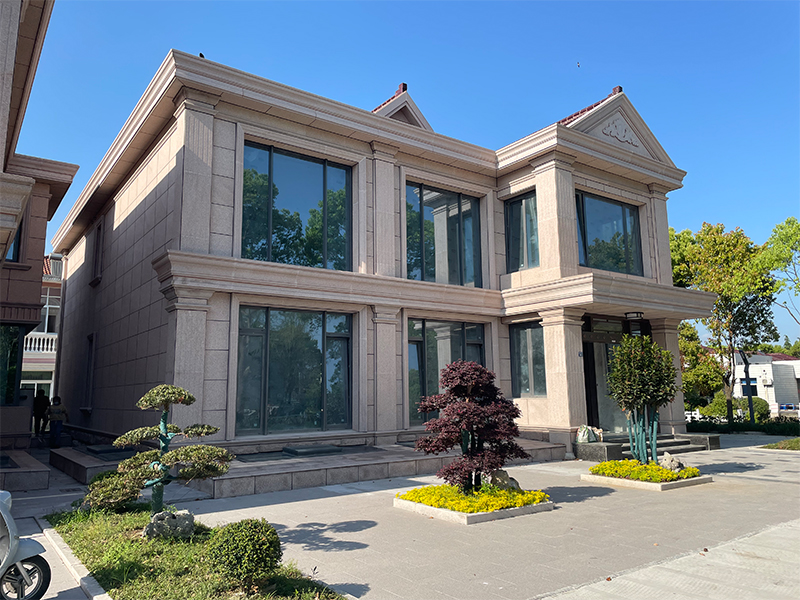
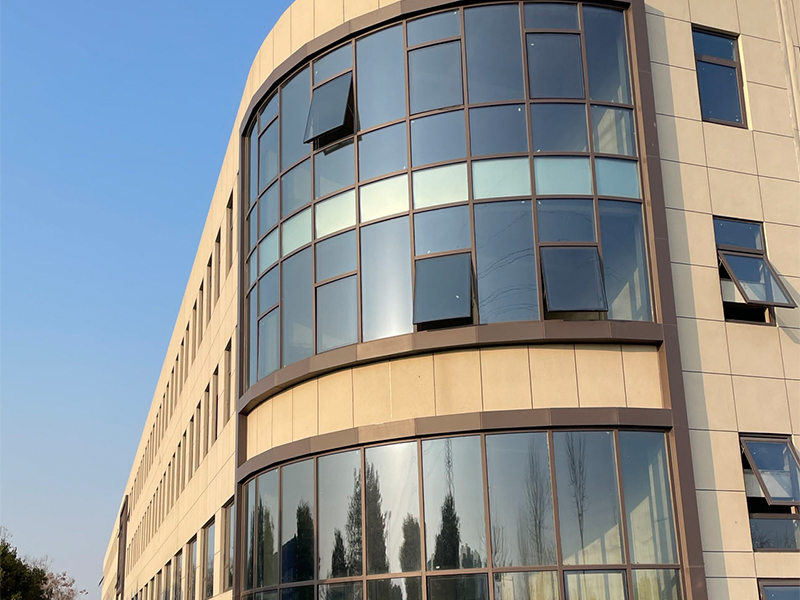
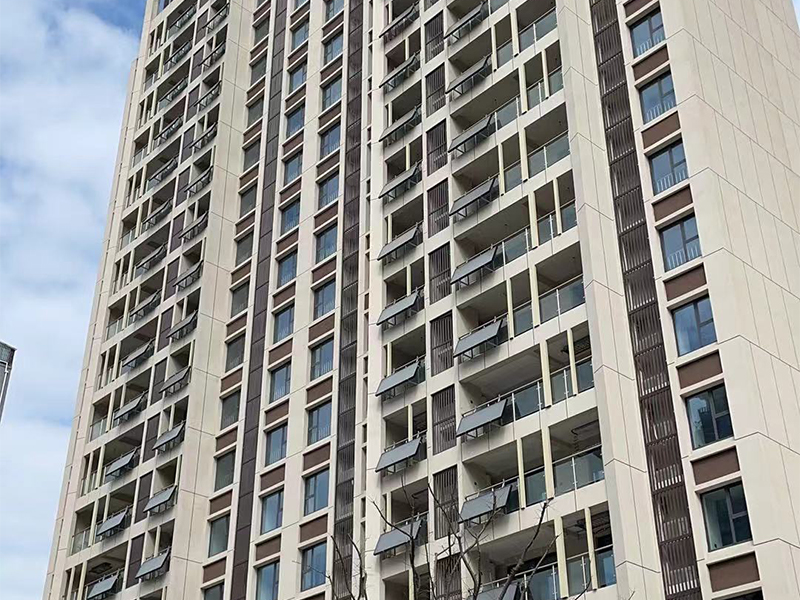
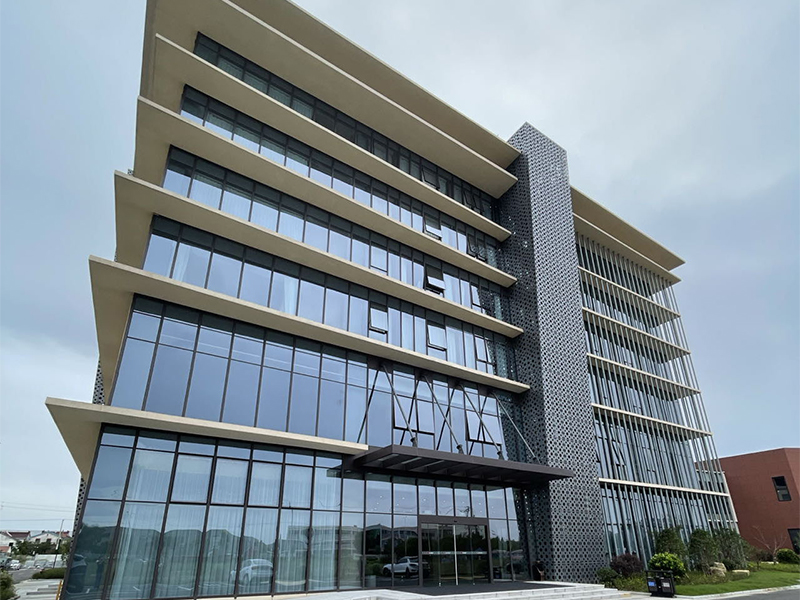
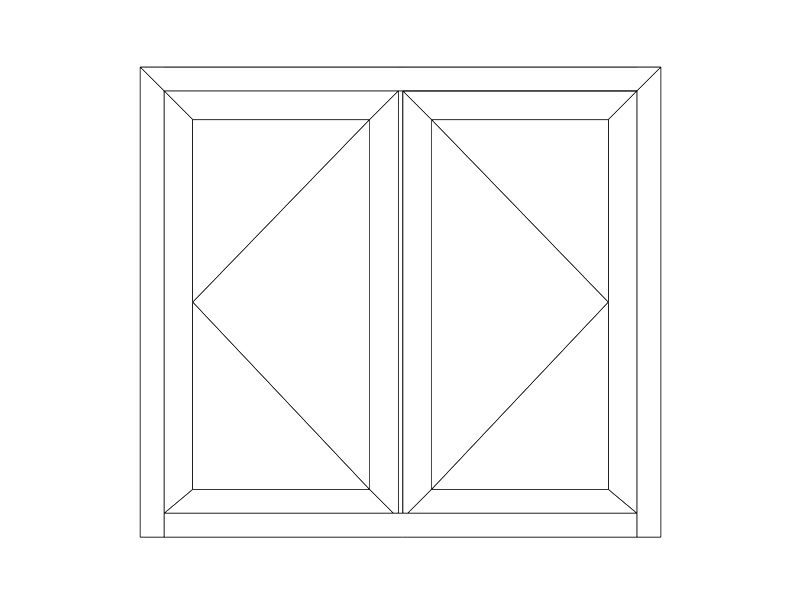
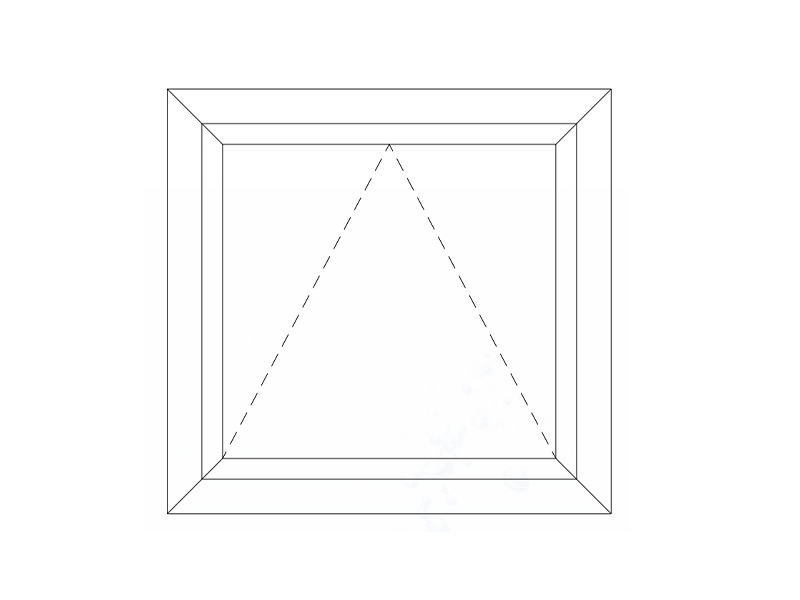
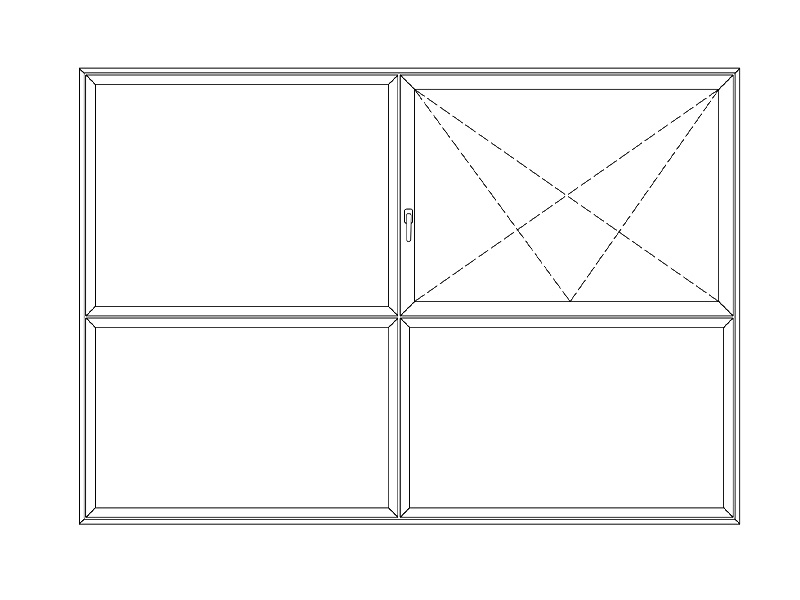
Architectural Profiles for Windows and Doors
Building profiles have a different job from industrial ones: they must manage water, air, heat and sound, and they must still look right after a decade of sun. The most important structural idea here is the thermal break, where a polyamide strip separates the inner and outer aluminum so heat does not travel straight through the frame. Thermal-break sections cost more, and in most climate zones they pay that back through the life of the building.
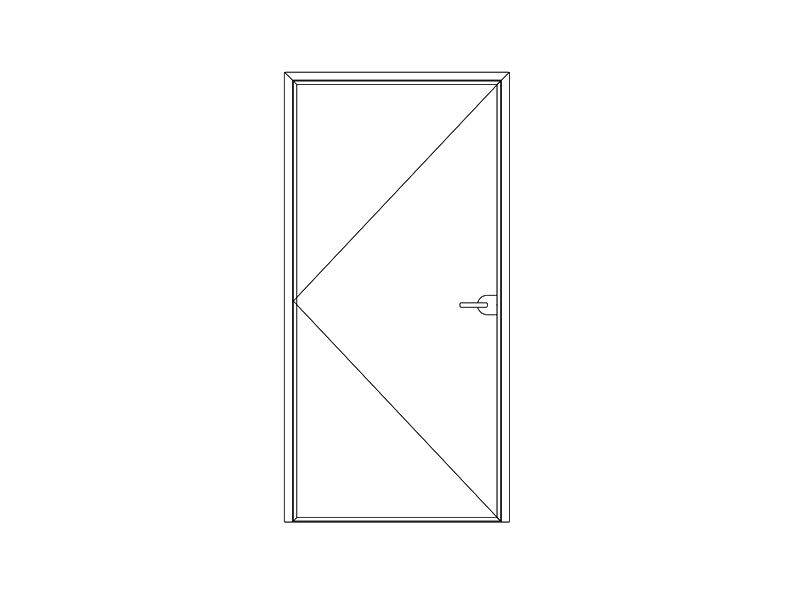
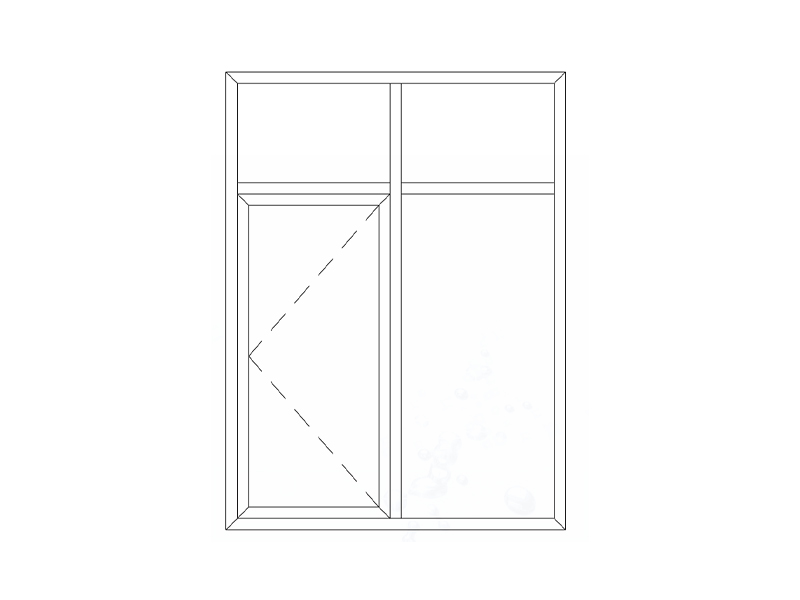
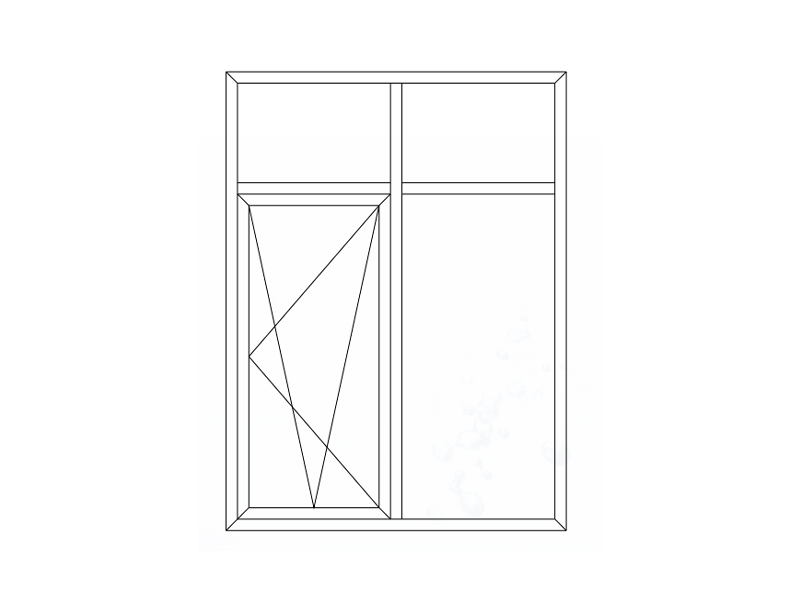
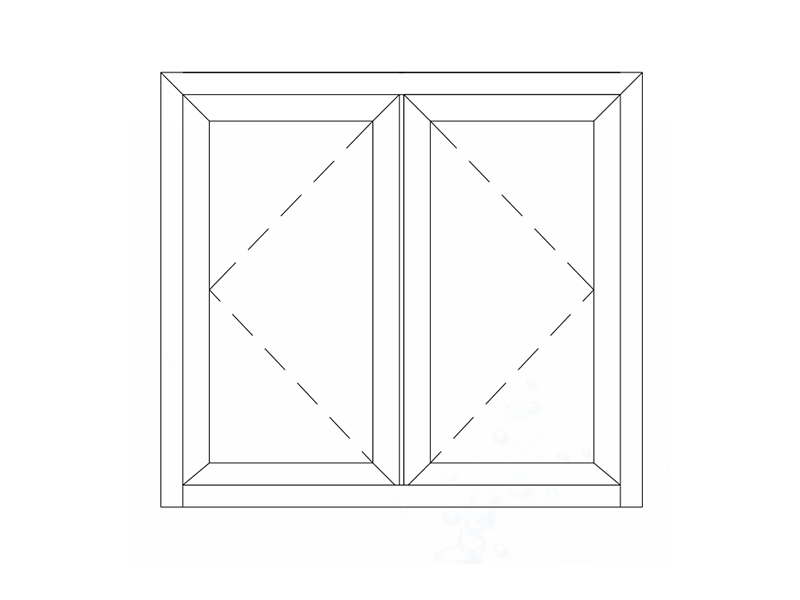
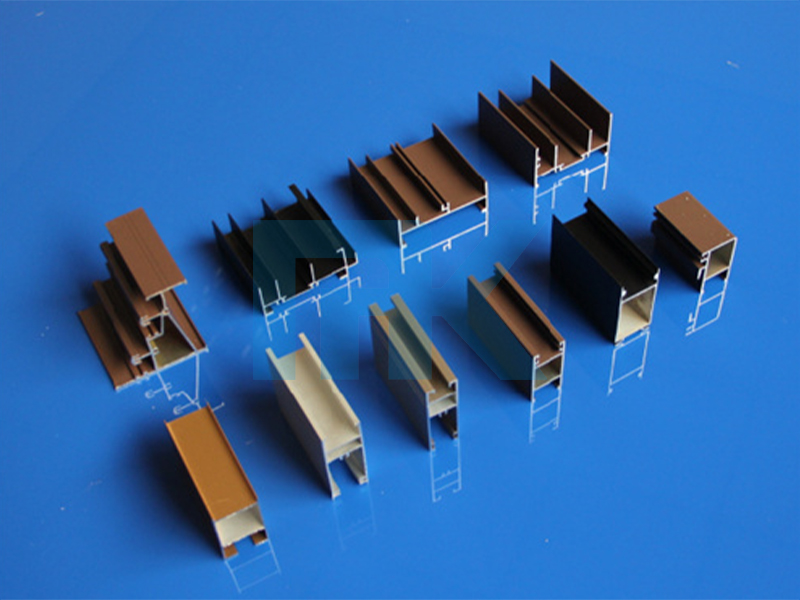 Windows and Doors Aluminum Extrusion ProfilesReview these window and door extrusion profiles in multiple model pairs and 1.8–2.5 mm wall thicknesses for matching system parts.View Product →
Beyond the break, the hardware matters as much as the extrusion. Hinges, handles, locks, gaskets and drainage paths are what determine whether a window still closes cleanly in year eight. That is also why a distributor should be able to supply the matching door and window parts from the same system, rather than a compatible-looking substitute.
Custom Profiles and the Tooling Question
Sooner or later a standard section stops fitting. That is when a custom die makes sense, and the first thing to understand is that the die is a one-off investment tied to a specific cross-section. Tooling cost rises with complexity, the number of hollow chambers and how far the shape departs from the extrusion ratios the press handles comfortably. Minimum order quantities exist because the die has to be set up, run and then aged and finished.
Good custom design keeps wall thickness as uniform as possible, uses generous radii at internal corners, avoids sharp feather edges, and leaves enough flat surface for clamping during machining. Electrical applications illustrate the point well: power resistor aluminum cases need thin, even walls for heat transfer, a flat mounting face, and a finish that will not flake at temperature.
Finishes and Tolerances You Should Write Down
Mill finish is fine inside a machine guard but not on a handrail next to the sea. Anodizing builds a hard, integral oxide layer and is usually specified by thickness, typically in the 10 to 25 micron range for architectural and industrial use. Powder coating gives colour and a thicker barrier, generally around 60 to 80 microns, and hides minor surface marks that anodizing would show.
Tolerances deserve equal attention. Cut length, squareness, twist, straightness and bow all affect assembly, and so does whether the supplier deburrs the ends. State your tolerance standard on the purchase order and ask for a first-article sample before the full run; it is far cheaper to correct a drawing than a delivered bundle.
A Short Checklist Before You Order
- Confirm the alloy and temper, not just the shape.
- Check wall thickness at the thinnest point, not the nominal value.
- Match the slot width and series for every fastener you plan to use.
- Define the finish by type and thickness, including colour and gloss.
- Ask how the profiles will be packed, since transit damage is common.
- Request the machining and cut-length plan in writing.
Working through that list takes twenty minutes and saves weeks.
Aluminum extrusion profiles reward a little forethought. Decide what the part has to carry, how it will be joined, and how it will look in five years, and the alloy, temper and finish choices usually make themselves. Our team is happy to look at a sketch, a step file or a sample of a section you already use, and to point you to the closest match in the MK profile range before anyone talks about tooling. That conversation is usually the fastest way to find out whether a standard section will do the job.