English
 عربى
عربى BLDC
BLDC

If you’re thinking about setting up solar panels at home or for a commercial project, understanding solar panel racking is key. The racking system is what holds your solar panels in place, ensuring they stay secure, properly angled, and durable for years. Let’s break it down in simple terms.
Content
What is a Solar Panel Racking System?
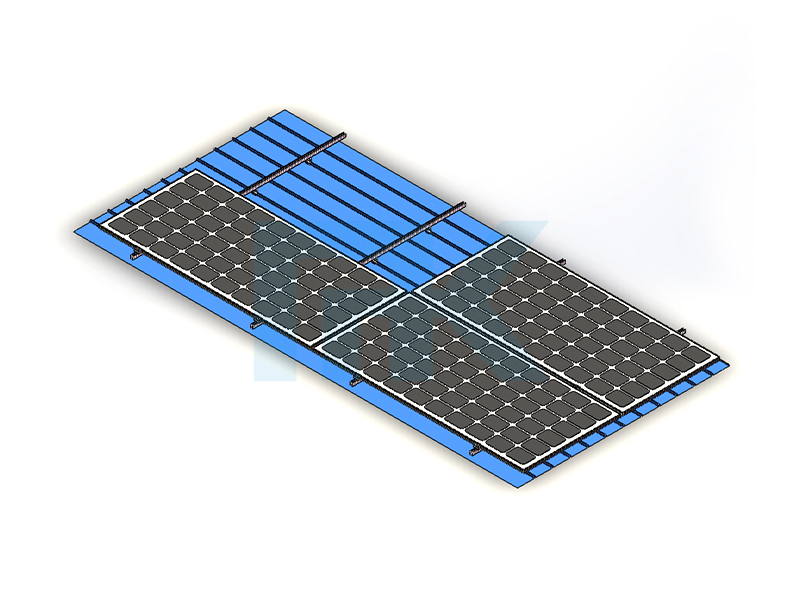
A solar panel racking system is the framework that supports solar panels on rooftops, flat surfaces, or ground-mounted setups. It’s like the skeleton of your solar setup. Without a solid racking system, panels could tilt incorrectly, be damaged by wind, or wear out faster.
Types of Solar Panel Racking
There are several types of racking systems, each designed for specific installations and environments:
- Roof-Mounted Racking: Fixed directly on your rooftop. Ideal for residential and small commercial projects.
- Ground-Mounted Racking: Installed on the ground with adjustable tilt angles. Perfect for larger solar farms or open spaces.
- Ballasted Racking: Weights are used to hold the panels in place, usually for flat roofs to avoid drilling.
- Tracking Systems: These move with the sun to maximize energy production, often used in utility-scale solar farms.
Choosing the Right Solar Panel Racking Material
The material of the racking system affects durability, weight, and installation costs. Common materials include:
- Aluminum: Lightweight, corrosion-resistant, and easy to install. Widely used for residential rooftops.
- Stainless Steel: Extremely durable and strong, ideal for heavy panels or areas with extreme weather.
- Galvanized Steel: Strong and cost-effective, but heavier and can rust over time if not properly coated.
Key Features to Look for in Solar Panel Racking
When choosing a racking system, make sure it has these features:
- Durability: Must withstand high winds, snow loads, and UV exposure.
- Adjustable Tilt: Allows optimization of solar angles for maximum energy production.
- Easy Installation: Modular designs save time and labor costs.
- Compatibility: Should fit the type and size of your solar panels.
Installing Solar Panel Racking: Practical Tips
A proper installation ensures efficiency and safety. Here are some practical tips:
- Check local building codes before installation.
- Ensure the roof or ground area can support the weight of the panels and racking.
- Use corrosion-resistant fasteners and hardware.
- Consider professional installation if you’re unsure about alignment and safety.
Comparing Solar Panel Racking Options
Here’s a quick comparison table of common racking systems:
| Racking Type | Best Use | Pros | Cons |
| Roof-Mounted | Residential rooftops | Low cost, easy to install | Limited tilt adjustment |
| Ground-Mounted | Open land, large installations | Flexible angles, easy maintenance | Higher installation cost |
| Ballasted | Flat roofs | No roof penetration, easy setup | Heavy, may require structural support |
| Tracking | Utility-scale solar farms | Maximizes energy output | Expensive, more maintenance |
Conclusion: Why Solar Panel Racking Matters
A solid solar panel racking system is the backbone of any solar installation. Choosing the right type, material, and design ensures your solar panels perform efficiently, stay safe, and last for decades. Whether you go for a simple rooftop setup or a full-scale ground-mounted system, investing in quality racking is worth it for long-term solar success.