English
 عربى
عربى BLDC
BLDC

Content
Selecting the Right Mounting System for Your Roof Type
The foundation of any durable solar installation is the mounting hardware, which must be compatible with your specific roofing material to ensure both structural integrity and watertightness. For asphalt shingle roofs, installers typically use "flashing" mounts that slide under the shingles to prevent leaks. In contrast, metal roofs—especially standing seam varieties—allow for non-penetrative clamps that grip the ridges of the metal, preserving the roof's warranty. Understanding these nuances is critical because the mounting system acts as the mechanical interface between your home’s structure and the solar array, enduring wind loads and snow weight for decades.
Common Mounting Hardware by Material
| Roof Type | Mounting Method | Key Benefit |
| Asphalt Shingle | L-Feet with Flashing | High water resistance |
| Standing Seam Metal | S-5! Clamps | Zero roof penetrations |
| Concrete Tile | Tile Hooks or Replacement Mounts | Avoids tile breakage |
| Flat Roof | Ballasted Racking | Weighted down, no drilling |
Critical Structural Considerations and Load Calculations
Before a single bolt is tightened, a structural assessment of the roof's rafters or trusses is mandatory. roof mounting solar panels add what is known as "dead load" to the roof, typically ranging from 2.5 to 4 pounds per square foot. Additionally, the mounting system must be engineered to handle "live loads," such as extreme wind uplift or heavy snow accumulation. Professionals use specific spacing for attachment points (the "span") to distribute this weight evenly across the load-bearing members of the house, ensuring the roof does not bow or fail over time.
Key Factors in Structural Integrity
- Rafter Spacing: Standard spacing is usually 16 or 24 inches on center.
- Wind Zones: Homes in coastal areas require extra mounting points to combat higher uplift forces.
- Setback Requirements: Local fire codes often require 3-foot pathways for emergency access.
The Step-by-Step Installation Process for Rail-Based Systems
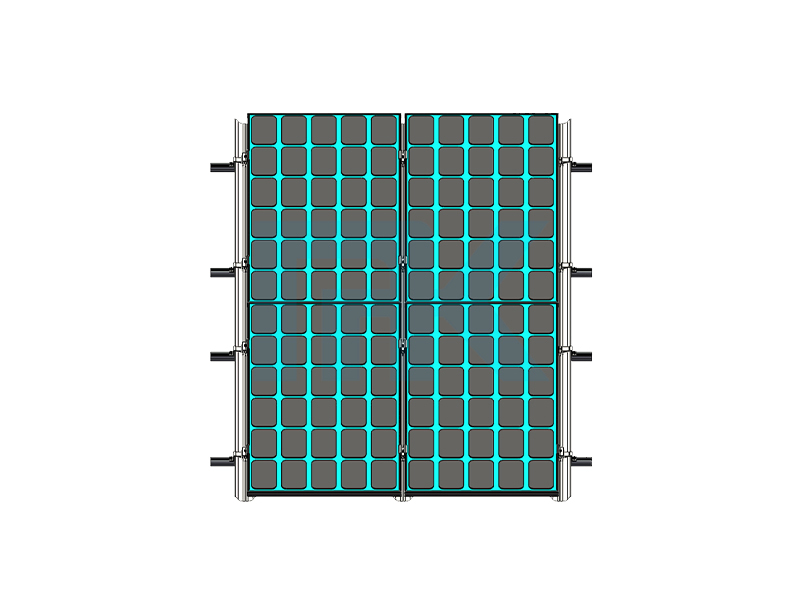
Most residential solar projects utilize a rail-based mounting system. The process begins with mapping out the roof and locating the rafters using a stud finder or "tapping" method. Once located, holes are drilled for the lag bolts, which are then filled with high-grade sealant before the flashing and L-feet are secured. Aluminum rails are then attached to these L-feet, leveled carefully to ensure a sleek aesthetic, and grounded to prevent electrical surges. Finally, the solar panels are hoisted onto the rails and secured using mid-clamps and end-clamps, which hold the modules firmly in place against the racking.
Best Practices for a Leak-Free Installation
- Always use stainless steel or galvanized hardware to prevent rust and corrosion.
- Apply a generous amount of M-1 or silicone sealant to every roof penetration point.
- Ensure all wiring is tucked neatly into clips along the rails to avoid contact with the roof surface.
- Verify that the torque of every bolt meets the manufacturer's specific Newton-meter requirements.
Optimizing Orientation and Tilt for Peak Performance
The geometry of your roof mounting directly impacts your return on investment. In the northern hemisphere, south-facing roofs are the gold standard for solar production. However, the mounting system can sometimes be adjusted with "tilt legs" on flat roofs to achieve the ideal angle relative to the sun's path. While the natural pitch of a sloped roof is usually sufficient, ensuring the mounting hardware is positioned to avoid "shading events" from chimneys, vent pipes, or neighboring trees is vital for maintaining the efficiency of the entire string of panels.