English
 عربى
عربى BLDC
BLDC

Content
- 1 Understanding the Role of Aluminium Solar Rails in PV Systems
- 2 Why Aluminium Is the Preferred Material for Solar Rails
- 3 Common Types of Aluminium Solar Rails and Their Uses
- 4 Key Performance Factors to Consider When Selecting Aluminium Solar Rails
- 5 Installation Advantages of Aluminium Solar Rails
- 6 Long-Term Value and Maintenance Considerations
Understanding the Role of Aluminium Solar Rails in PV Systems
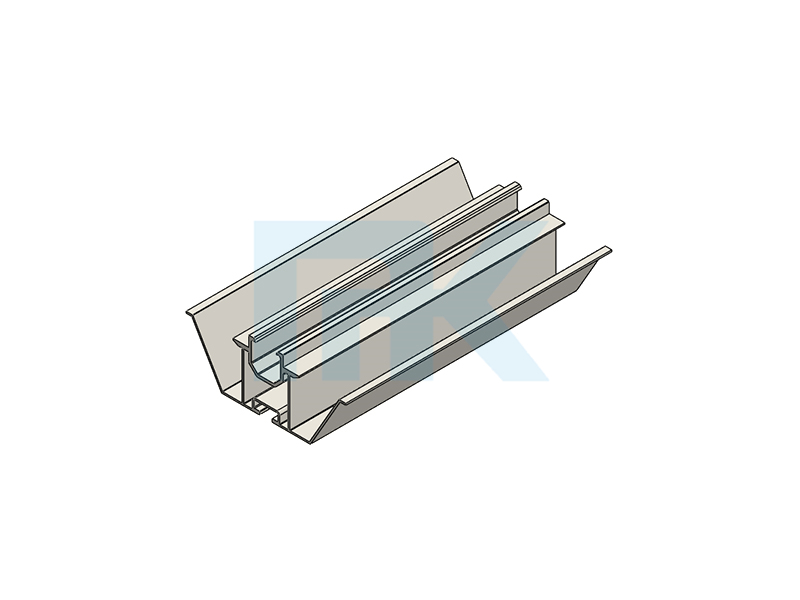
Aluminium solar rails are a core structural component in photovoltaic (PV) mounting systems, designed to securely support solar panels while ensuring long-term stability and alignment. Installed on rooftops or ground-mounted structures, these rails form the framework that connects modules to the supporting surface. Their precision and strength directly affect installation efficiency, load distribution, and the overall lifespan of a solar energy system.
Unlike generic metal profiles, aluminium solar rails are engineered specifically for solar applications. They are compatible with clamps, brackets, and grounding components, enabling installers to assemble complete mounting systems with fewer adjustments and reduced labor time.
Why Aluminium Is the Preferred Material for Solar Rails
Aluminium has become the industry-standard material for solar rails due to its balance of strength, weight, and corrosion resistance. Compared with steel alternatives, aluminium rails offer easier handling on-site without compromising structural integrity.
- Lightweight structure reduces roof load and simplifies transportation.
- Natural corrosion resistance ensures durability in coastal, humid, or industrial environments.
- High strength-to-weight ratio supports wind and snow loads effectively.
- Excellent recyclability aligns with sustainability goals of solar energy projects.
Common Types of Aluminium Solar Rails and Their Uses
Different installation scenarios require different rail profiles. Aluminium solar rails are manufactured in various shapes and sizes to match roof structures, mounting angles, and load requirements.
Standard Extruded Rails
Standard extruded aluminium rails are widely used in residential and commercial rooftop systems. Their universal design allows compatibility with mid clamps, end clamps, and adjustable brackets, making them suitable for tiled, metal, and flat roofs.
Heavy-Duty Rails for Large Installations
For large commercial or utility-scale projects, heavy-duty aluminium solar rails provide enhanced load-bearing capacity. These rails are designed to span longer distances and withstand higher wind and snow loads, reducing the number of mounting points required.
Key Performance Factors to Consider When Selecting Aluminium Solar Rails
Choosing the right aluminium solar rails involves more than just dimensions. Performance characteristics directly impact system safety and long-term reliability.
| Load Capacity | Ensures resistance to wind pressure and snow accumulation |
| Surface Treatment | Anodized or mill finish improves corrosion resistance |
| Compatibility | Matches clamps, bolts, and grounding accessories |
| Thermal Expansion | Allows movement without stressing panels or roof structures |
Installation Advantages of Aluminium Solar Rails
From an installer’s perspective, aluminium solar rails significantly improve on-site efficiency. Pre-engineered slot designs allow fast positioning of clamps and bolts, while consistent rail profiles ensure accurate panel alignment across the entire array.
Additionally, aluminium rails can be cut and adjusted easily without specialized equipment. This flexibility is especially valuable for retrofitting projects or irregular roof layouts, where precise customization is often required.
Long-Term Value and Maintenance Considerations
Aluminium solar rails require minimal maintenance throughout their service life. Their resistance to rust and environmental degradation reduces the need for inspections or replacements, lowering overall system operating costs.
When combined with high-quality fasteners and proper installation practices, aluminium rails can match or exceed the lifespan of the solar modules themselves. This long-term reliability makes them a cost-effective investment for both residential and commercial solar projects.