English
 عربى
عربى BLDC
BLDC

Content
The Structural Advantages of Aluminum Extrusions in Door Manufacturing
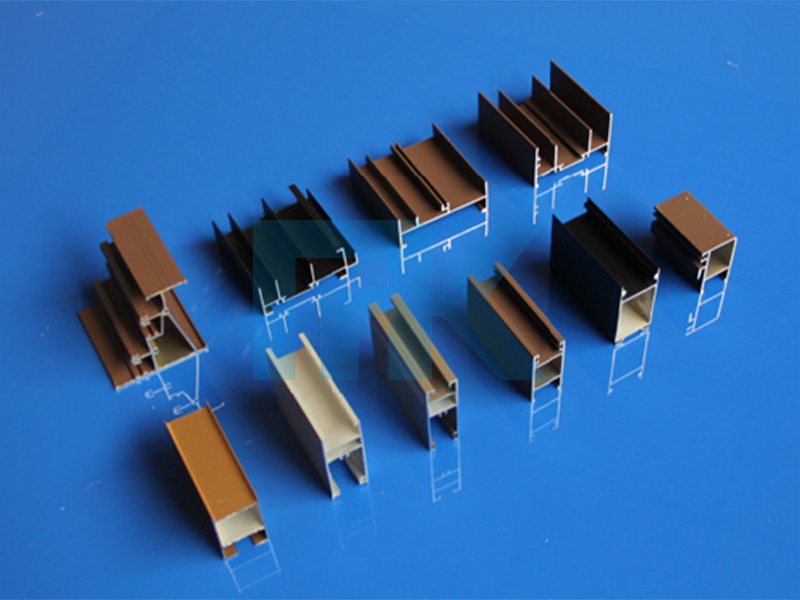
Aluminum extrusions have revolutionized the door industry by providing a unique combination of lightweight properties and high structural integrity. Unlike wood, which can warp under moisture, or steel, which is prone to corrosion, extruded aluminum profiles offer exceptional dimensional stability. This process involves forcing aluminum alloy through a shaped die, allowing for complex cross-sections that can include internal reinforcement ribs. These ribs significantly increase the "moment of inertia," ensuring that even oversized patio doors remain rigid and do not sag over time.
Furthermore, the extrusion process allows for the integration of functional features directly into the profile. This includes tracks for rollers, channels for weatherstripping, and screw ports for assembly. By consolidating these components into a single extruded piece, manufacturers reduce the need for secondary machining and assembly, which minimizes potential points of failure and enhances the overall longevity of the door system.
Thermal Performance and the Role of Thermal Breaks
One of the historical challenges with aluminum doors was their high thermal conductivity. However, modern extrusion technology utilizes "thermal breaks" to solve this issue. A thermal break is a non-conductive material, typically reinforced polyamide or polyurethane, placed between the interior and exterior aluminum profiles. This creates a barrier that prevents heat from transferring through the frame, making aluminum doors highly energy-efficient.
Key Components of Thermal Efficiency
- Polyamide Strips: These are mechanically crimped into the aluminum profiles to separate the heat-conducting metal.
- Multi-Chambered Profiles: Extruded designs often feature multiple air pockets that act as additional insulation layers.
- EPDM Gaskets: These are designed to fit perfectly into extruded grooves to ensure an airtight seal against wind and rain.
Comparing Aluminum Extrusions to Traditional Door Materials
Choosing the right material for door frames requires a balance between aesthetics, durability, and maintenance. The following table highlights how aluminum extrusions stand up against uPVC and Wood in critical performance categories.
| Feature | Aluminum Extrusion | uPVC (Vinyl) | Solid Wood |
| Frame Strength | Excellent | Moderate | High |
| Slim Sightlines | Yes (Very Thin) | No (Bulky) | Moderate |
| Maintenance | Low | Low | High (Painting/Sealing) |
| Design Flexibility | Very High | Moderate | Moderate |
Surface Treatment and Corrosion Resistance
Aluminum extrusions are naturally resistant to oxidation because they form a thin, protective oxide layer when exposed to air. However, for door applications, additional surface treatments are applied to enhance both aesthetics and protection. Anodizing and powder coating are the two most common methods. Powder coating, in particular, allows for an almost unlimited range of colors and textures, including wood-grain finishes that mimic the look of timber without the associated maintenance issues.
In coastal environments where salt spray is a concern, extruded aluminum doors can be treated with "marine-grade" finishes. These coatings are thicker and more resilient, preventing the bubbling or pitting that can occur with inferior materials. This makes extruded aluminum the preferred choice for high-end residential and commercial projects located in harsh climates.
Practical Applications in Modern Architecture
The versatility of aluminum extrusions enables architects to push the boundaries of modern design. Because the material is so strong, it can support larger glass panes with thinner frames, facilitating the popular "indoor-outdoor" living concept. This is most evident in the following door types:
- Bi-Fold Doors: Precision-engineered extrusions allow multiple panels to stack neatly, creating wide-open spans.
- Pivot Doors: Extruded frames can handle the immense weight of oversized pivot doors while maintaining smooth operation.
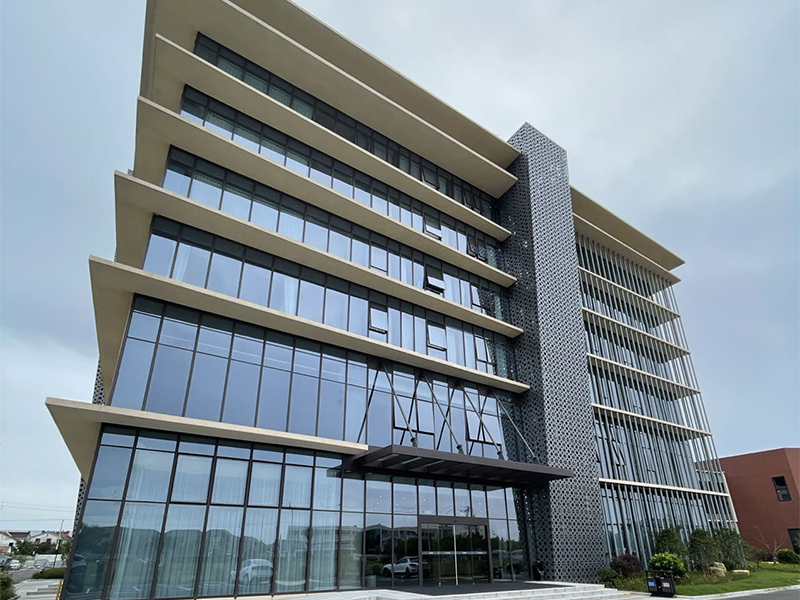
- Curtain Wall Entryways: In commercial settings, extrusions integrate seamlessly with glass facades for a cohesive look.
By utilizing high-quality Doors Aluminum Extrusions, builders ensure that doors are not just entry points, but durable, energy-efficient, and aesthetically pleasing components of the building envelope.