English
 عربى
عربى BLDC
BLDC

Content
Understanding Aluminum Profile Extrusion and Material Grades
Aluminum profile production relies on the extrusion process, where heated aluminum alloy billets are forced through a shaped die to create specific cross-sections. This process allows for complex longitudinal structures that are lightweight yet remarkably strong. The versatility of these profiles is largely determined by the alloy series used. For instance, the 6000 series (typically 6061 or 6063) is the industry standard due to its excellent formability, weldability, and corrosion resistance. These alloys are magnesium and silicon-based, providing the ideal balance of structural integrity and aesthetic finish required for architectural and industrial frameworks.
When selecting an aluminum profile, the temper designation is just as critical as the alloy itself. The "T" rating, such as T5 or T6, indicates the heat-treatment process the profile has undergone. T5 profiles are cooled after extrusion and artificially aged, offering good mechanical properties and dimensional stability. In contrast, T6 profiles are solution heat-treated and then artificially aged, resulting in significantly higher tensile strength. Understanding these nuances ensures that the chosen material can withstand the specific load-bearing requirements of your project without unnecessary weight or cost.
Key Classifications of Industrial Aluminum Profiles
Standard T-Slot Profiles
T-slot aluminum profiles are the backbone of modular construction. The unique "T" shaped grooves allow for the easy insertion of nuts and bolts, enabling the assembly of complex structures without the need for welding. This modularity makes them perfect for machine guards, workstations, and custom shelving where future adjustments may be necessary.
Architectural Profiles
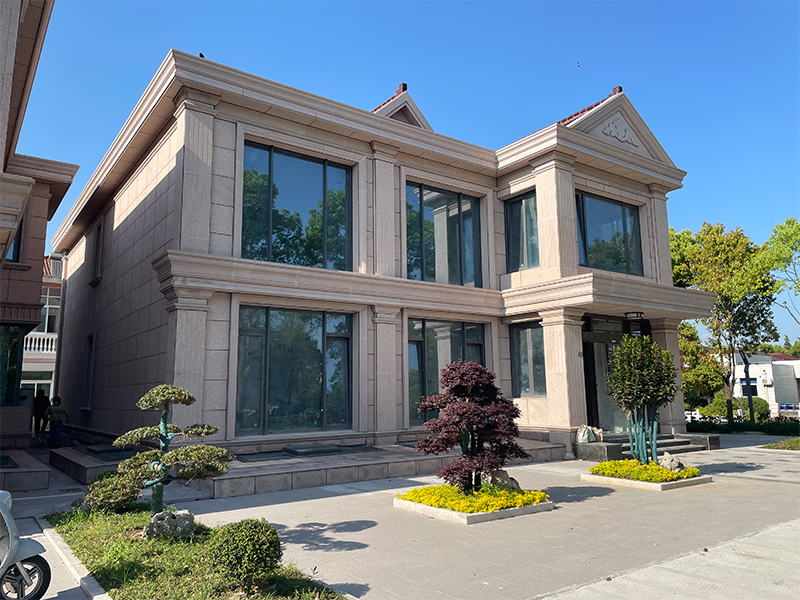
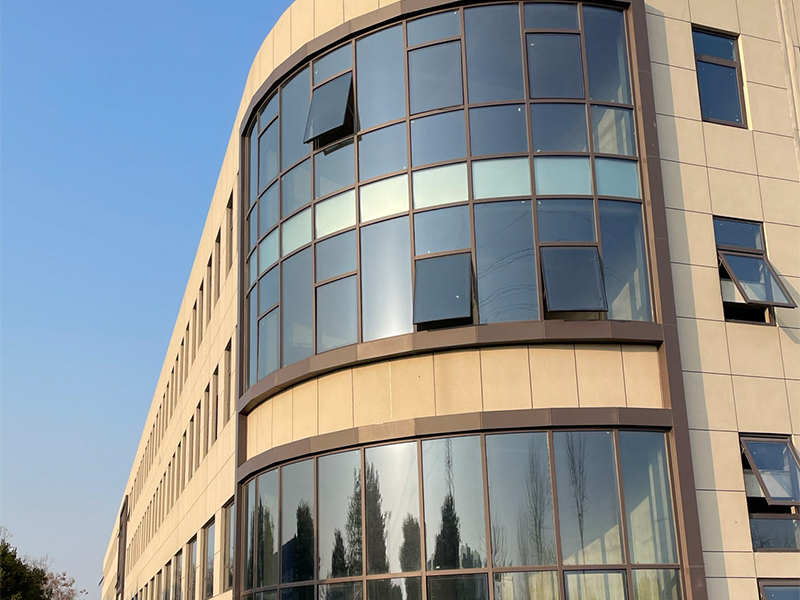
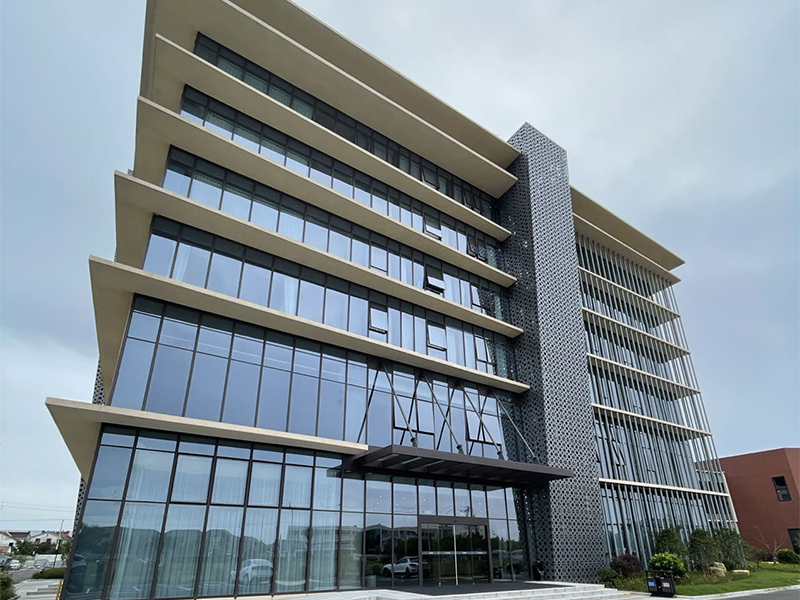
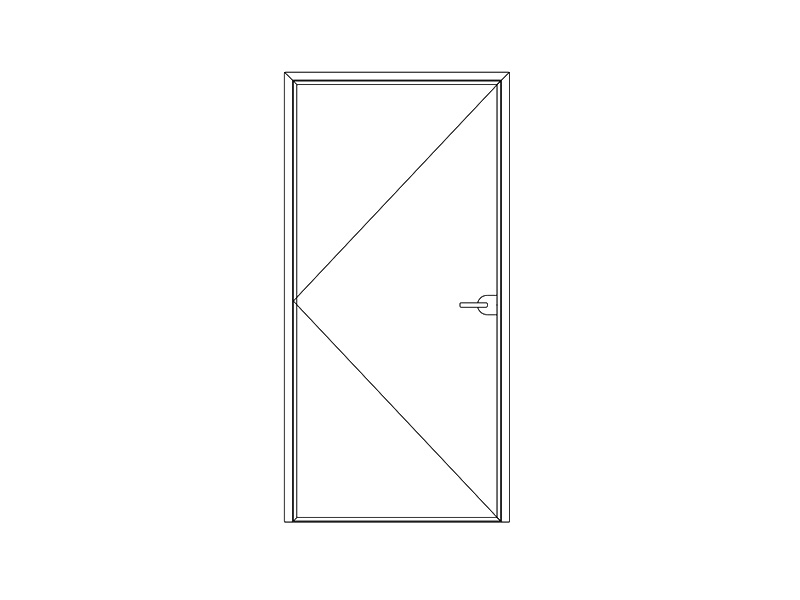
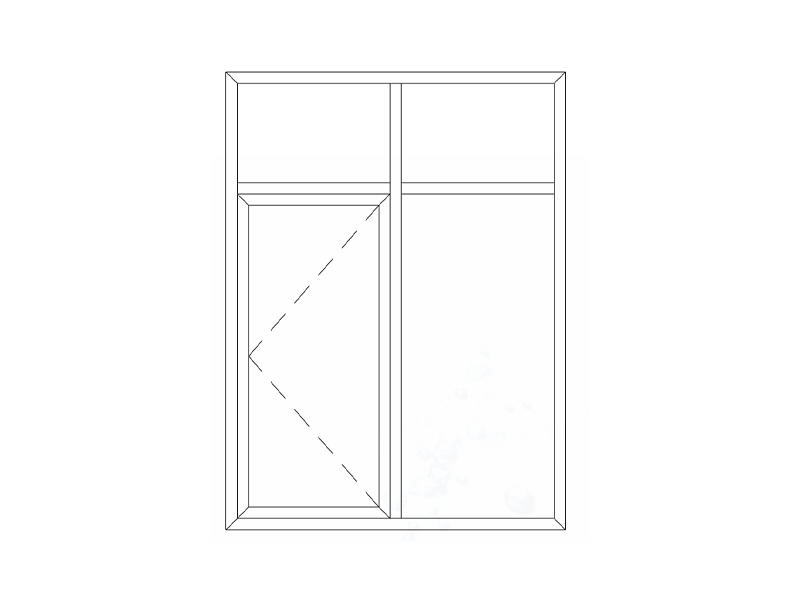
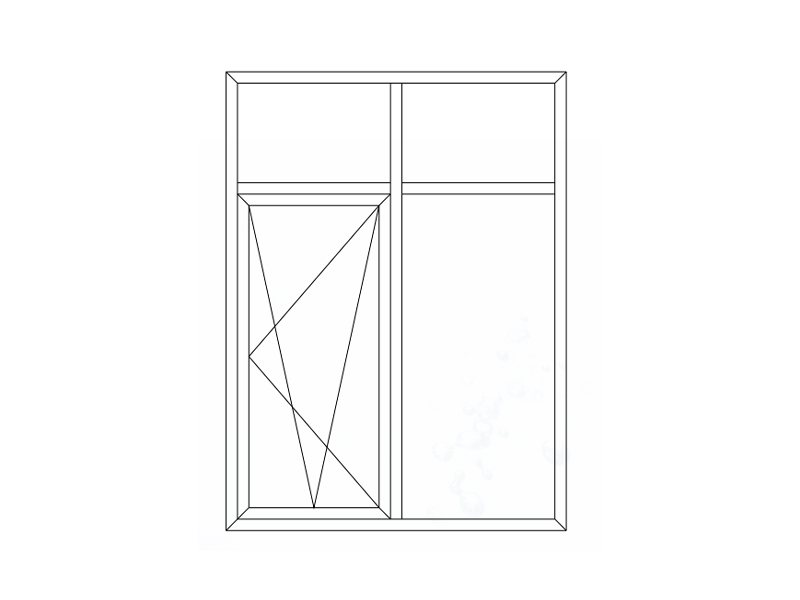
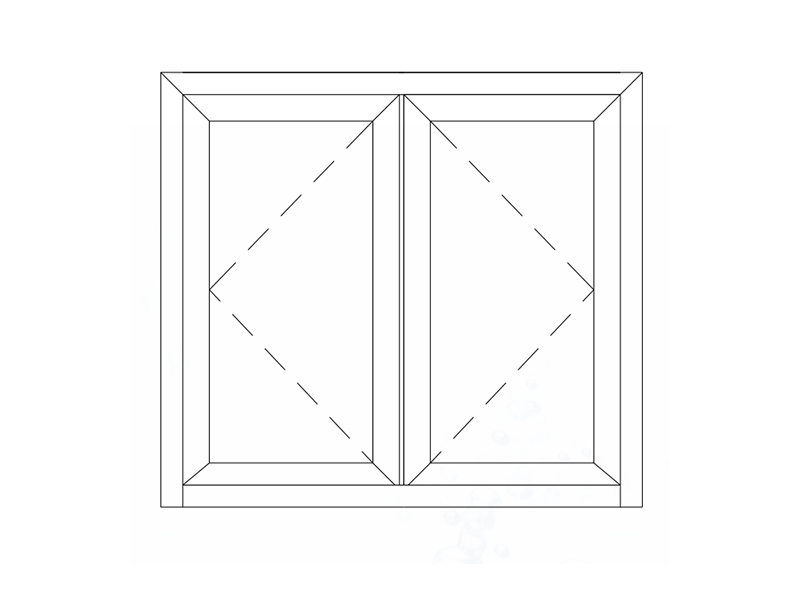
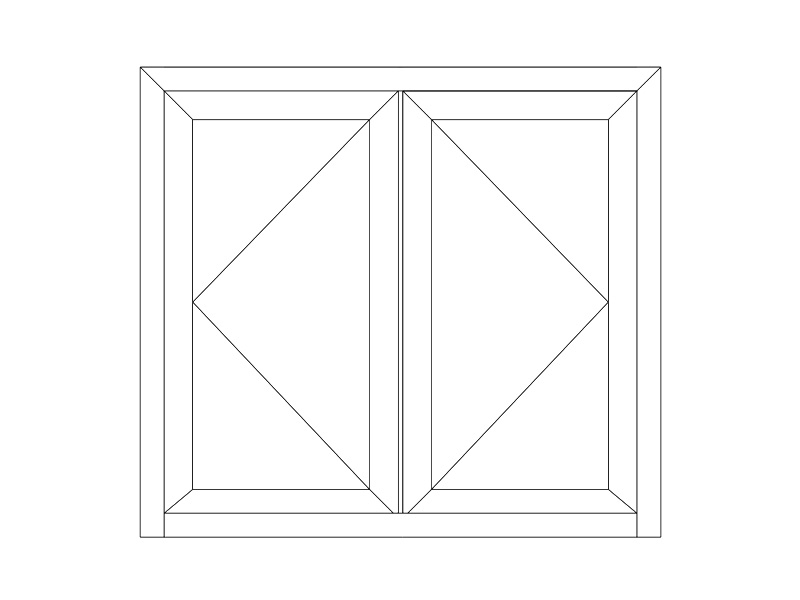
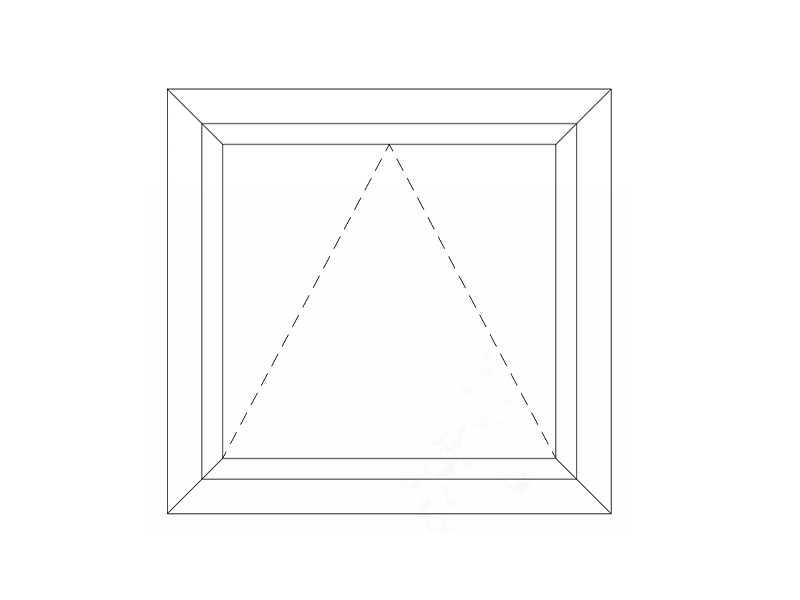
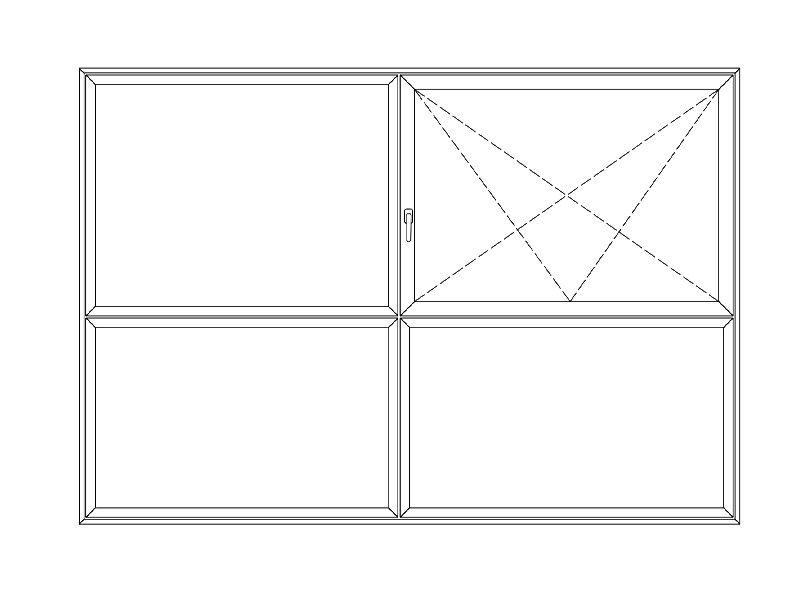
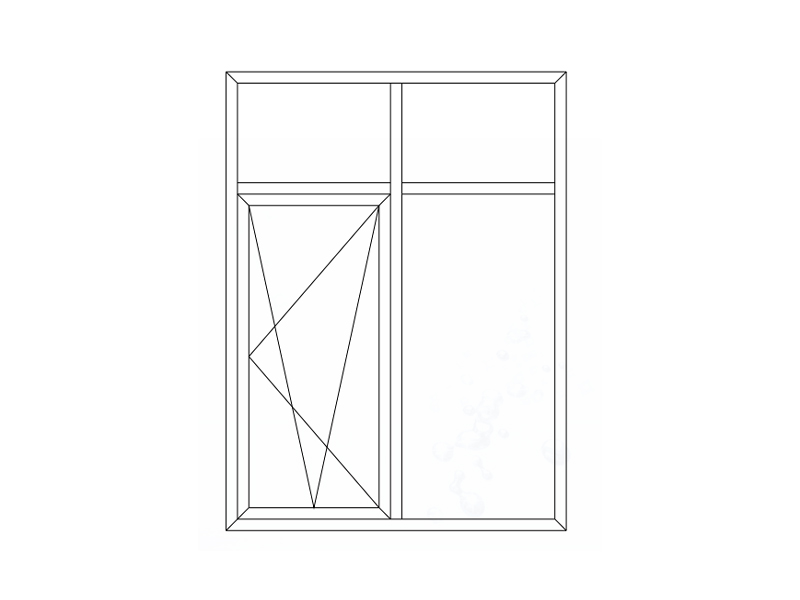
These profiles prioritize aesthetic appeal and weather resistance. Often used for window frames, curtain walls, and door tracks, architectural profiles frequently undergo surface treatments like anodizing or powder coating. These finishes not only provide a wide array of color options but also create a protective oxide layer that prevents oxidation in harsh environments.
Technical Specifications and Load Comparison
To assist in the engineering phase, it is helpful to compare the common dimensions and typical uses of standard industrial profiles. The following table highlights the differences in common "Series" sizes used in global manufacturing:
| Profile Series | Dimensions (mm) | Typical Application | Wall Thickness |
| 2020 Series | 20 x 20 | 3D Printers, Small Lab Equipment | 1.5mm - 2.0mm |
| 4040 Series | 40 x 40 | Workbenches, Conveyor Frames | 2.0mm - 3.0mm |
| 8080 Series | 80 x 80 | Heavy Duty Machinery Support | 4.0mm+ |
Surface Treatment Options for Enhanced Durability
Raw aluminum naturally forms a thin oxide layer, but industrial applications usually require more robust protection or specific aesthetics. Choosing the right surface treatment can extend the lifespan of the aluminum profile by decades. The most common methods include:
- Anodizing: An electrochemical process that thickens the natural oxide layer, making it as hard as sapphire and highly resistant to scratching.
- Powder Coating: A dry finishing process where polymer resin is baked onto the surface, providing a thick, uniform finish available in thousands of colors.
- Electrophoresis: A combination of anodizing and painting that results in a very smooth, high-gloss finish that is exceptionally resistant to salt spray and chemicals.
- Sandblasting: A mechanical treatment used to create a matte, textured finish that hides fingerprints and minor extrusion lines.
Practical Advantages of Using Aluminum Over Steel
While steel is often praised for its raw strength, aluminum profiles offer several practical advantages that make them superior for modern engineering. Firstly, the strength-to-weight ratio of aluminum allows for the construction of lightweight mobile units, such as medical carts or aerospace components, without sacrificing stability. Aluminum is approximately one-third the weight of steel, which significantly reduces shipping costs and simplifies manual assembly on-site.
Furthermore, aluminum profiles are naturally corrosion-resistant. Unlike steel, which requires constant painting or galvanizing to prevent rust, aluminum performs exceptionally well in damp or outdoor environments. This "set-and-forget" quality reduces long-term maintenance costs. Additionally, because aluminum is 100% recyclable without losing its properties, using profiles is a sustainable choice for companies looking to minimize their environmental footprint while maintaining high industrial standards.