English
 عربى
عربى BLDC
BLDC

Content
Understanding the Mechanics of the T-Slot Design
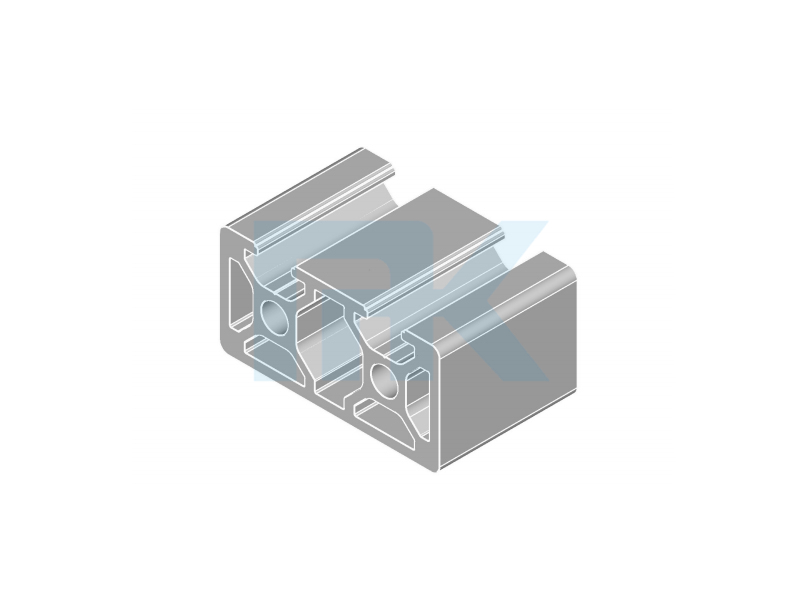
T-slot aluminum extrusions are characterized by their unique profile shape, which features a continuous "T" shaped groove along all sides. This design allows for a modular assembly system where specialized nuts and bolts can be slid into the channel at any point along its length. Unlike traditional framing materials, the T-slot system utilizes the physical geometry of the extrusion to create high-strength friction joints. This eliminates the need for specialized skills like welding, making it an accessible solution for engineers, hobbyists, and industrial designers alike.
The extrusion process involves forcing heated aluminum alloy through a shaped die, resulting in a consistent profile with high dimensional accuracy. Most industrial extrusions are made from 6061-T6 or 6063-T5 aluminum, offering an ideal balance of weight, corrosion resistance, and structural integrity. Because the slots are uniform, components can be adjusted, repositioned, or reused across different projects, providing a level of flexibility that permanent structures cannot match.
Standard vs. Heavy-Duty Profile Series
Selecting the correct profile series is critical for ensuring the structural stability of a build. Profiles are generally categorized by their base dimensions, often referred to as "Series." In the metric system, 20 series (20mm x 20mm) and 40 series (40mm x 40mm) are standard, while fractional systems use 10 series (1 inch) or 15 series (1.5 inch) measurements.
Comparison of Common Profile Applications
| Profile Size | Common Name | Primary Use Case |
| 20mm / 10 Series | Light Duty | 3D printer frames, electronics enclosures, light sensor mounts. |
| 40mm / 15 Series | Standard Duty | Workstations, CNC machine frames, safety guarding. |
| 80mm+ / 30 Series | Heavy Duty | Automated assembly lines, heavy machinery bases, structural mezzanines. |
Essential Hardware and Fastening Methods
The strength of a T-slot assembly relies heavily on the fasteners used to bridge the profiles. Unlike standard nuts, T-nuts are designed to sit inside the channel and rotate into place, locking against the interior walls of the slot. This "twist-in" capability allows users to add components to an existing frame without having to disassemble the ends of the extrusions.
- Hammerhead Nuts: These drop-in nuts can be inserted anywhere along the slot, making them ideal for post-assembly modifications.
- Corner Brackets: External L-shaped plates that provide significant rigidity to 90-degree joints.
- Internal Hidden Connectors: These expand within the slot for a clean, aesthetic finish without visible hardware.
- End Caps and Gaskets: Plastic inserts that cover sharp cut edges and rubber strips that seal the slots from dust and debris.
Practical Applications in Industrial and Prototyping Environments
One of the most significant advantages of T-slot aluminum extrusions is their versatility across different sectors. In manufacturing, they are used to build custom machine guards and material handling carts that can be modified as production needs change. The clear anodized finish provides a professional look that is also resistant to scratches and corrosion, making it suitable for cleanroom environments.
In the realm of rapid prototyping and R&D, T-slot extrusions serve as the "industrial LEGO" for engineers. They allow for the quick creation of test rigs and frames for new hardware. If a design requires a larger motor or a different sensor height, the user simply loosens a few bolts, slides the component to the new position, and retightens. This speed of iteration significantly reduces the lead time and labor costs associated with custom steel fabrication.
Maintenance and Long-Term Durability
While T-slot systems are incredibly durable, they do require occasional maintenance, especially in high-vibration environments. Over time, the tension in the fasteners can fluctuate. It is a best practice to perform periodic checks on structural joints to ensure that T-nuts have not vibrated loose. Using thread-locking compounds or vibration-resistant spring nuts can mitigate these issues in permanent installations.
Unlike steel, aluminum does not require painting or powder coating to prevent rust. The natural oxide layer or the applied anodized coating protects the metal from the elements. This makes T-slot extrusions an excellent choice for outdoor applications or facilities where moisture is present, ensuring that the structure remains aesthetically pleasing and structurally sound for decades.