English
 عربى
عربى BLDC
BLDC

Content
- 1 What Is an Aluminum Profile, Exactly?
- 2 The Main Types of Aluminum Profiles You'll Come Across
- 3 How Aluminum Profiles Are Made
- 4 Choosing the Right Alloy and Temper
- 5 Where Aluminum Profiles Are Used Every Day
- 6 Aluminum Profile vs Other Materials
- 7 Tips for Installing and Assembling Aluminum Profiles
- 8 Keeping Aluminum Profiles in Good Condition
- 9 What Affects the Cost of an Aluminum Profile
What Is an Aluminum Profile, Exactly?
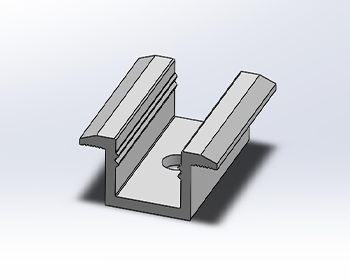
An aluminum profile is a piece of aluminum that has been shaped into a specific cross-section through a process called extrusion. Instead of cutting or bending flat aluminum sheets into a shape, manufacturers push heated aluminum through a custom-designed die, and the metal comes out the other side already formed into the exact profile needed — whether that's a simple bar, a hollow tube, or a complex multi-chamber frame. This is why aluminum profiles are also commonly called aluminum extrusions or extruded aluminum sections. Because the shape is built into the metal itself, an aluminum profile can do things a flat sheet simply can't, like create built-in channels for screws, slots for panels, or grooves for sliding components.
You'll find aluminum profiles almost everywhere once you start looking for them: window and door frames, LED light housings, solar panel mounting systems, machine frames, furniture legs, curtain wall systems, and even the frame of the desk you might be sitting at right now. Their popularity comes down to a simple combination — aluminum is lightweight, resistant to corrosion, easy to work with, and fully recyclable, which makes it a practical choice for both structural and decorative uses.
The Main Types of Aluminum Profiles You'll Come Across
Not all aluminum profiles look or function the same way. Manufacturers generally group them into a few broad categories based on their cross-sectional shape and purpose. Knowing these categories makes it much easier to describe what you need when talking to a supplier.
- Solid profiles: Simple bars, rods, and angles with no hollow sections, often used for structural support or as raw stock for machining.
- Hollow profiles: Tubes and box sections with one or more enclosed cavities, commonly used in frames, railings, and furniture.
- Semi-hollow profiles: A mix of solid and partially enclosed sections, often used where a slot or channel needs to stay accessible.
- T-slot profiles: Aluminum profiles with built-in T-shaped grooves that allow bolts and connectors to slide and lock into place, extremely popular for modular workbenches, machine guarding, and DIY frame builds.
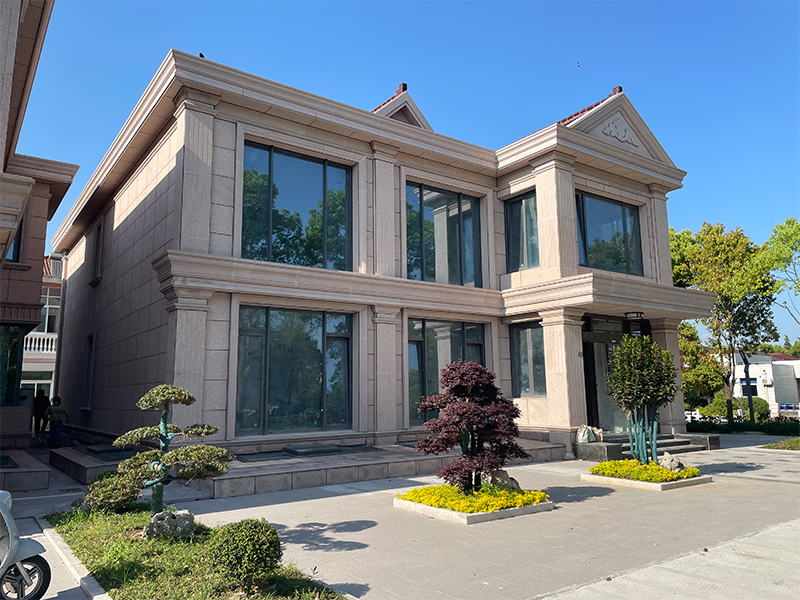
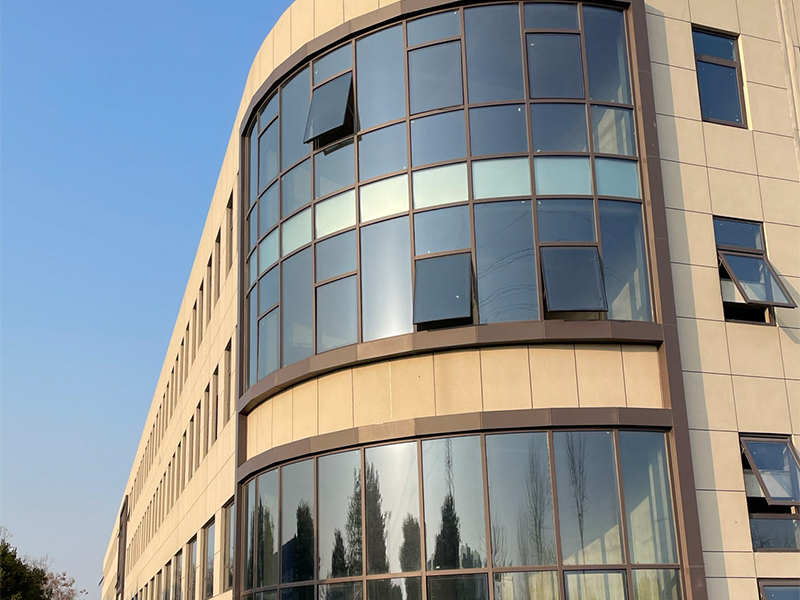
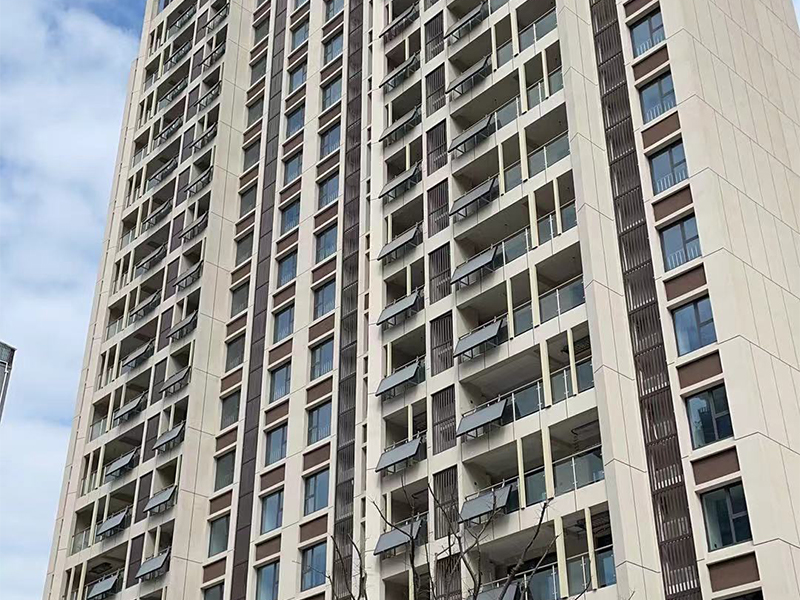
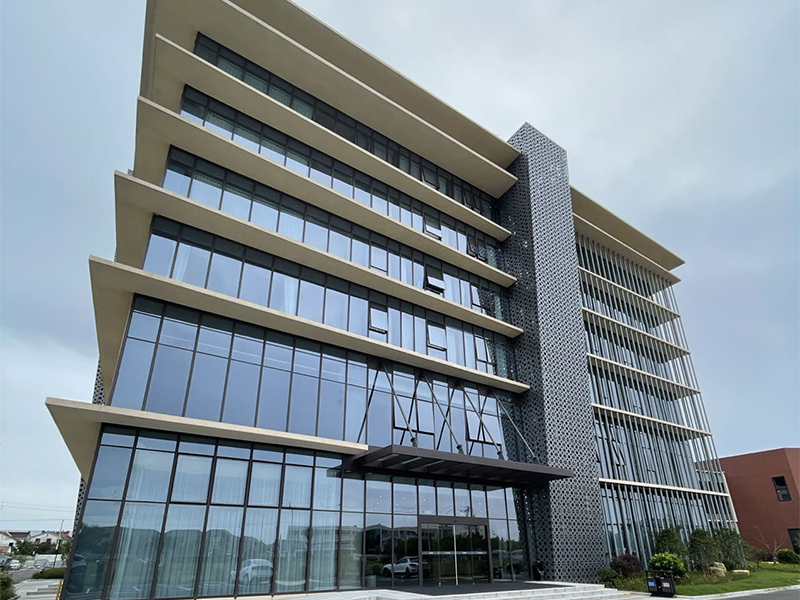
- Custom architectural profiles: Complex shapes designed specifically for window systems, curtain walls, or decorative trim, usually made from a custom die.
How Aluminum Profiles Are Made
Understanding the extrusion process helps explain why aluminum profiles are priced and produced the way they are. It starts with an aluminum billet, a solid cylindrical block of raw aluminum, which gets heated to somewhere between 400°C and 500°C until it becomes soft and pliable without melting. This heated billet is then loaded into a hydraulic press and forced through a steel die that has been machined into the negative shape of the desired profile.
The Key Steps in the Process
After extrusion, the freshly formed profile is stretched slightly to straighten it and relieve internal stress, then cut to length on a saw table. Depending on the alloy and intended use, the profile is heat-treated (a process called aging) to reach its final strength, and finally finished with anodizing, powder coating, or polishing to protect the surface and improve appearance. Each die is custom-made for a specific cross-section, which is why ordering a truly custom aluminum profile shape usually comes with a one-time tooling cost, while standard, off-the-shelf profiles skip that expense entirely.
Choosing the Right Alloy and Temper
Not every aluminum profile is made from the same alloy, and the alloy you choose has a big impact on strength, weight, and cost. The most common alloy family used in extruded profiles is the 6000 series, particularly 6061 and 6063. These alloys strike a good balance between strength, corrosion resistance, and ease of extrusion, which is why they dominate everything from structural framing to decorative trim.
6063 vs 6061: What's the Difference?
6063 aluminum extrudes more easily and produces a smoother surface finish, making it the go-to choice for architectural and decorative profiles like window frames and light fixtures. 6061 is stronger and more rigid, so it's typically chosen for structural or load-bearing applications such as machine frames, brackets, and transportation components. On top of the alloy, the "temper" designation (like T5 or T6) tells you how the profile was heat-treated, with T6 generally offering the highest strength for a given alloy.
Where Aluminum Profiles Are Used Every Day
The versatility of aluminum profiles means they show up across nearly every industry, and each application tends to favor a slightly different shape or alloy. In construction, profiles form the skeleton of window and door systems, curtain walls, and structural glazing. In electronics, extruded aluminum channels double as heat sinks, pulling heat away from LED strips, power supplies, and processors thanks to aluminum's excellent thermal conductivity.
In manufacturing and automation, T-slot aluminum profiles have become the backbone of modular workstations, conveyor frames, robotic enclosures, and safety guarding, largely because they can be assembled and reconfigured without welding. Furniture makers use aluminum profiles for legs, frames, and handles because they're lightweight yet strong and take finishes well. Even the renewable energy sector relies heavily on aluminum profiles for solar panel racking and mounting systems, since the material holds up well against years of outdoor weather exposure.
Aluminum Profile vs Other Materials
When deciding whether an aluminum profile is the right fit for a project, it helps to see how it stacks up against other common materials side by side.
| Material | Weight | Corrosion Resistance | Machinability | Typical Cost |
| Aluminum Profile | Light | Excellent | Very Easy | Moderate |
| Steel | Heavy | Poor (without coating) | Moderate | Low |
| Stainless Steel | Heavy | Excellent | Difficult | High |
| Plastic/PVC | Very Light | Good | Easy | Low |
Tips for Installing and Assembling Aluminum Profiles
Working with aluminum profiles, especially T-slot styles, is generally straightforward, but a few practices make a noticeable difference in the final result. Always measure and cut profiles with a fine-tooth blade designed for aluminum to avoid burring the edges, and deburr the cut ends before assembly so connectors seat properly. When joining profiles, use corner brackets, T-nuts, or cast joining plates rather than welding whenever possible, since welding can compromise the heat-treated strength of the alloy near the joint.
Common Mistakes to Avoid
- Over-tightening fasteners, which can strip the internal threads of the slot.
- Mixing incompatible connector systems between different profile brands or slot sizes.
- Skipping end caps, which leaves slots open to dust and debris over time.
- Ignoring load ratings when building tall or cantilevered frames.
Keeping Aluminum Profiles in Good Condition
One of the biggest advantages of aluminum profiles is how little maintenance they need. A naturally occurring oxide layer forms on the surface and protects the metal from further corrosion, which is why untreated aluminum can last for decades outdoors without rusting. Anodized or powder-coated profiles add an extra protective layer on top of that, improving scratch resistance and giving the surface a consistent color.
Routine care is simple: wipe surfaces down with a mild soap and water solution, avoid abrasive cleaners or steel wool that can scratch the finish, and periodically check fasteners on load-bearing frames to make sure nothing has loosened from vibration. In coastal or industrial environments where salt or chemical exposure is higher, rinsing profiles occasionally helps prevent surface staining, even though the aluminum itself remains structurally unaffected.
What Affects the Cost of an Aluminum Profile
Pricing for aluminum profiles varies more than people expect, and a few factors drive most of the difference. Standard, stock profile shapes are almost always cheaper since they use existing dies and are produced in bulk. Custom shapes require a new die to be manufactured, which adds a one-time tooling fee on top of the material cost, though that fee becomes less significant per unit as order volume increases.
Wall thickness, overall size, and alloy grade also affect price, since thicker walls and higher-strength alloys use more raw material and require more energy during extrusion. Surface finishing adds another layer of cost, with anodizing typically priced per square meter of surface area and powder coating priced by color and coat thickness. When budgeting for a project, it's worth requesting quotes for both standard and custom profile options, since a slightly different stock shape can sometimes meet the same functional need at a lower price.