English
 عربى
عربى BLDC
BLDC

Content
- 1 What Ground Solar Racking Is and Why It Differs From Rooftop Mounts
- 2 Main Types of Ground Mount Racking Systems
- 3
- 4 Comparing Ground Racking Foundation Options
- 5 Site Factors That Affect Racking System Choice
- 6 Materials Used in Ground Racking Construction
- 7 Maintenance Practices That Keep Racking Systems Reliable
What Ground Solar Racking Is and Why It Differs From Rooftop Mounts
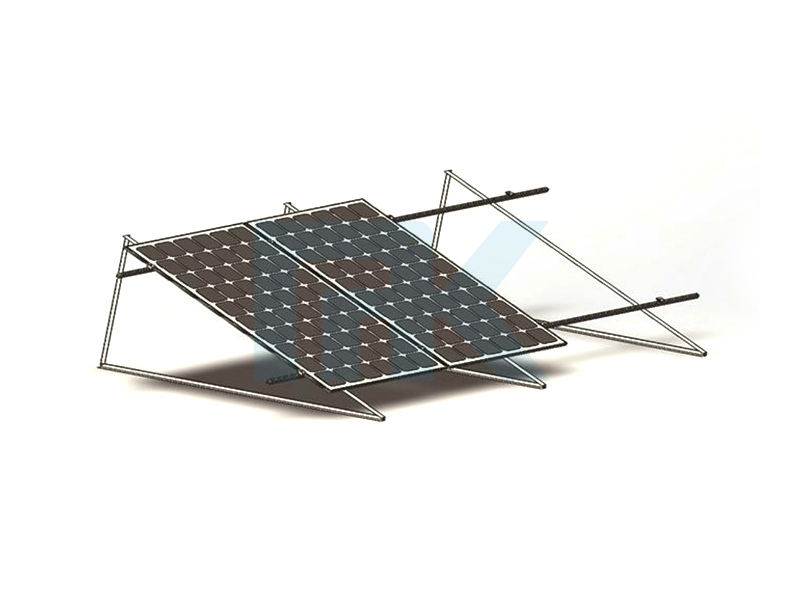
Ground solar racking is the structural framework that holds solar panels in place when they're installed directly on open land rather than mounted to a roof. Unlike rooftop systems, which rely on the existing structure of a building for support, ground-mounted racking has to create its own stable foundation, handle wind and snow loads independently, and often account for uneven terrain across a large installation area. This makes ground racking systems generally more robust and adjustable than rooftop hardware, since they're frequently used for utility-scale solar farms, agricultural solar projects, and residential installations where roof space is limited or poorly oriented for sun exposure.
Because ground-mounted systems aren't constrained by roof pitch or structural load limits the way rooftop arrays are, they offer more flexibility in panel tilt angle and orientation, which can meaningfully improve energy production over the life of the system. This flexibility is a big reason why ground solar racking has become the standard choice for large commercial and utility-scale solar developments.
Main Types of Ground Mount Racking Systems
Ground racking systems generally fall into a few common categories, each suited to different site conditions, budgets, and performance goals.
Fixed-Tilt Racking
This is the most common and cost-effective option, where panels are mounted at a fixed angle chosen based on the site's latitude to optimize annual sun exposure. Fixed-tilt systems have fewer moving parts, which means lower maintenance requirements and a simpler installation process compared to tracking systems.
Single-Axis Tracking Racking
Single-axis trackers rotate panels along one axis throughout the day to follow the sun's east-to-west movement, boosting energy production compared to a fixed system. This added performance comes with higher upfront costs and more mechanical components that require periodic maintenance, but the energy gains often justify the investment on larger installations.
Dual-Axis Tracking Racking
Dual-axis systems track the sun both east to west and by seasonal elevation changes, squeezing out the highest possible energy yield from a given panel count. These systems are the most complex and expensive option, typically reserved for projects where maximizing output per panel justifies the added mechanical and maintenance costs.
Comparing Ground Racking Foundation Options
The foundation method used to anchor ground solar racking depends heavily on soil conditions, budget, and how permanent the installation is meant to be. Choosing the wrong foundation type can lead to instability or costly rework down the line.
| Foundation Type | Best Soil Conditions | Installation Speed |
| Driven Steel Piles | Soft to medium soil, minimal rock | Fast |
| Helical Screw Piles | Variable soil, some clay or sand | Moderate |
| Concrete Ballast Blocks | Rocky or shallow bedrock sites | Slower, no drilling required |
| Poured Concrete Footings | Any soil, permanent installations | Slowest, requires curing time |
Site Factors That Affect Racking System Choice
Before settling on a ground racking system, several site-specific factors need to be evaluated carefully, since the wrong choice can lead to structural issues or reduced energy output down the line.
- Soil composition and load-bearing capacity, which determines whether driven piles, screw piles, or ballasted foundations are most appropriate.
- Local wind and snow load requirements, since racking must be engineered to withstand the specific weather conditions of the installation region.
- Site topography and grading needs, as uneven terrain may require adjustable racking legs or additional site preparation before installation.
- Water table depth and drainage patterns, which can affect foundation choice and long-term structural stability in wetter climates.
- Access for maintenance equipment, particularly important for tracking systems that require periodic servicing of motors and moving parts.
A proper site assessment before committing to a racking system helps avoid expensive surprises during installation, such as discovering bedrock where piles were planned or drainage issues that weren't accounted for in the original design.
Materials Used in Ground Racking Construction
The materials used in ground solar racking directly affect its lifespan and resistance to environmental wear, particularly in coastal or high-humidity regions where corrosion is a bigger concern.
- Galvanized steel is the most common racking material, offering good strength and corrosion resistance at a moderate cost.
- Aluminum racking is lighter and naturally corrosion-resistant, making it a popular choice for coastal installations where salt exposure accelerates steel corrosion.
- Stainless steel hardware is often used for fasteners and connectors, since these smaller components are especially vulnerable to rust if lower-grade materials are used.
Choosing higher-grade materials upfront often costs more initially but reduces long-term maintenance expenses, especially for installations expected to operate for twenty-five years or more without major structural repairs.
Maintenance Practices That Keep Racking Systems Reliable
Ground solar racking generally requires less maintenance than the panels or electrical components it supports, but a few routine checks help avoid structural problems from developing unnoticed over time. Inspect foundation connections periodically for signs of loosening, especially after severe weather events like heavy storms or ground freeze-thaw cycles that can shift soil around pile foundations. Check for corrosion on steel components, particularly at ground-level contact points where moisture tends to collect and accelerate rust formation.
For tracking systems, motors and bearings need periodic lubrication and inspection to ensure smooth rotation throughout the day, since a stuck or malfunctioning tracker can significantly reduce energy production until it's repaired. Keeping a maintenance log for large installations helps identify recurring issues early, whether that's a specific foundation type struggling in certain soil conditions or particular racking sections showing more wear than others across the site.