English
 عربى
عربى BLDC
BLDC

Content
- 1 What Is Solar Racking and Why It Matters More Than You Think
- 2 Main Types of Solar Racking Systems
- 3 Materials Used in Solar Racking Systems
- 4 Key Factors to Consider Before Choosing a Racking System
- 5 Installation Best Practices for Long-Lasting Racking
- 6 Maintaining Your Solar Racking System Over Time
- 7 Final Thoughts on Choosing the Right Solar Racking Solution
What Is Solar Racking and Why It Matters More Than You Think
Solar racking is the structural backbone that holds solar panels in place, whether on a rooftop, on the ground, or on a pole. It might not get as much attention as the panels themselves or the inverter, but the racking system determines how well your solar array performs over the next 20 to 30 years. A poorly designed or poorly installed racking system can lead to leaks, panel damage from wind uplift, reduced energy output due to bad tilt angles, and costly repairs down the road. A well-engineered solar racking system, on the other hand, keeps panels secure, properly angled toward the sun, and protected against weather extremes for decades with minimal maintenance.
Choosing the right racking system involves understanding your roof type or ground conditions, local wind and snow loads, budget, and long-term maintenance expectations. This article breaks down the main types of solar racking, the materials used, key installation considerations, and practical tips to help you make a smart, durable choice.
Main Types of Solar Racking Systems
Solar racking systems generally fall into three broad categories: roof-mounted, ground-mounted, and pole-mounted. Each has its own strengths depending on the site conditions, available space, and the goals of the solar project.
Roof-Mounted Racking
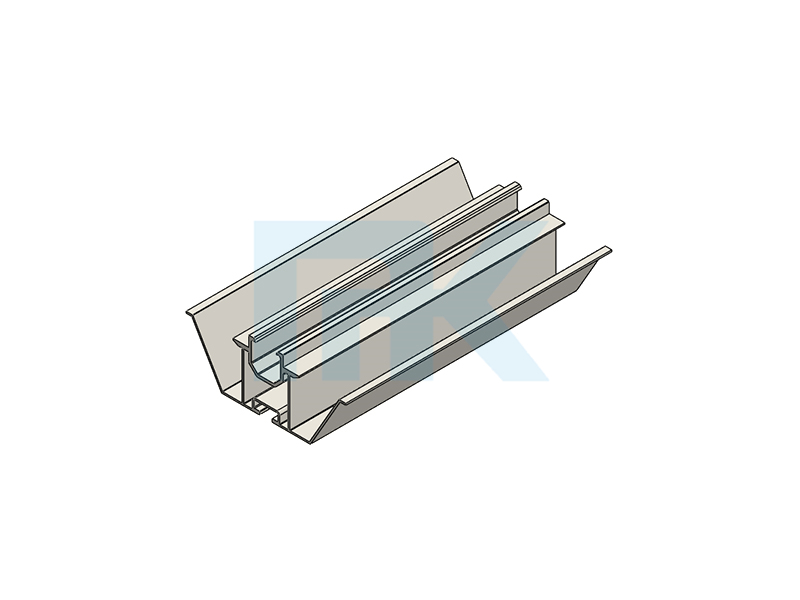
Roof-mounted solar racking is the most common choice for residential and many commercial installations because it uses existing structures and doesn't require additional land. These systems attach directly to the roof using rails, clamps, and flashing to prevent water intrusion. Roof racking further splits into a few subtypes:
- Rail-based systems: Aluminum rails run parallel across the roof, and panels are clamped onto them. This is the most widely used method due to its flexibility and ease of installation.
- Rail-less systems: Panels attach directly to roof mounts without long rails, reducing material costs and installation time, though they require precise mount placement.
- Ballasted systems: Common on flat commercial roofs, these use weighted bases instead of roof penetrations, which helps preserve roof warranties and waterproofing.
Ground-Mounted Racking
Ground-mounted solar racking is ideal for properties with open land and is often used when roof space is limited, shaded, or structurally unsuitable. These systems use driven or concrete-set posts to support a metal framework that holds the panels at an optimal tilt angle. Ground mounts allow for easier maintenance access, better airflow around panels (which can slightly improve efficiency by keeping panels cooler), and more flexibility in orientation since they aren't restricted by roof pitch or direction.
Pole-Mounted Racking
Pole-mounted racking elevates panels on a single or double pole structure, often used for smaller arrays, agricultural applications, or locations where ground space is limited but height clearance is available. Many pole mounts also support adjustable tilt or even tracking mechanisms that follow the sun throughout the day, boosting energy production compared to fixed-tilt systems.
Materials Used in Solar Racking Systems
The material of your racking system affects its durability, weight, cost, and resistance to corrosion. The two most common materials are aluminum and galvanized steel, each with distinct advantages.
| Material | Pros | Cons |
| Aluminum | Lightweight, naturally corrosion-resistant, easy to install | Higher material cost, slightly less rigid than steel |
| Galvanized Steel | Very strong, cost-effective for large ground mounts | Heavier, can corrode over time if coating is damaged |
| Stainless Steel | Excellent corrosion resistance, long lifespan | Most expensive option, often used for hardware/fasteners only |
For coastal or high-humidity areas, aluminum or stainless steel fasteners are generally recommended to avoid rust and corrosion over time. For large ground-mount arrays in dry inland regions, galvanized steel often offers the best balance of strength and cost.
Key Factors to Consider Before Choosing a Racking System
Before settling on a specific racking system, it helps to evaluate a few critical factors that directly affect performance, safety, and long-term cost.
Wind and Snow Load Ratings
Every racking system should be rated for the wind speeds and snow loads typical of your region. Manufacturers provide engineering certifications that specify maximum load capacities, and local building codes often require this documentation before permits are approved. Skipping this step can result in panel damage or even structural failure during severe storms.
Roof Type and Condition
Different roofing materials, such as asphalt shingles, metal, tile, or flat membrane roofs, require different mounting hardware and flashing techniques. It's also worth assessing the age and condition of the roof itself. If a roof is nearing the end of its life, it usually makes sense to replace it before installing racking, since removing and reinstalling solar panels later adds significant cost.
Tilt Angle and Orientation
The tilt angle of your racking system affects how much sunlight your panels capture throughout the year. Adjustable racking allows for seasonal tilt changes to maximize output, while fixed-tilt systems are simpler and cheaper but slightly less efficient. Orientation toward true south (in the Northern Hemisphere) generally yields the best year-round performance, though east-west layouts are becoming popular for spreading energy production across more daylight hours.
Installation Best Practices for Long-Lasting Racking
Proper installation is just as important as choosing quality racking materials. Even the best racking system will underperform or fail prematurely if installed incorrectly.
- Always locate roof rafters or trusses accurately before drilling to ensure secure attachment points.
- Use proper flashing and sealant at every roof penetration to prevent water leaks.
- Torque all bolts and clamps to manufacturer specifications; over-tightening can crack panel frames, while under-tightening risks panels coming loose.
- For ground mounts, ensure posts are set deep enough and, if using concrete footings, allow proper curing time before adding structural weight.
- Grounding and bonding all racking components correctly is essential for electrical safety and code compliance.
Maintaining Your Solar Racking System Over Time
Solar racking is designed to be low-maintenance, but periodic inspection extends its lifespan and protects your investment. It's a good idea to visually inspect the racking at least once a year, checking for loose bolts, signs of corrosion, cracked mounts, or any shifting in ground posts. After major storms, an additional inspection is wise to catch any wind or debris damage early. Cleaning debris and vegetation away from ground-mounted systems also helps prevent moisture buildup and pest issues around the base structure.
Keeping documentation of your racking system's warranty, load certifications, and installation details will also make future maintenance, insurance claims, or system expansions much easier to manage.
Final Thoughts on Choosing the Right Solar Racking Solution
Solar racking may be a behind-the-scenes component of your solar energy system, but it plays a direct role in safety, efficiency, and the overall lifespan of your investment. Taking time to evaluate roof or ground conditions, choosing corrosion-resistant materials suited to your climate, and following proper installation and maintenance practices will help ensure your solar racking system performs reliably for decades. Whether you're installing a small residential rooftop array or a large ground-mounted commercial system, the right racking choice lays the literal foundation for a successful solar investment.