English
 عربى
 BLDC

An aluminium frame looks straightforward: cut a few profiles, add connectors, and tighten the bolts. In practice, a frame is only as good as the thinking behind it. The profile size, connector choice, surface finish, and assembly method all affect how the finished structure performs. We have seen this across machine guards, window systems, solar mounts, and custom enclosures, and the same lesson comes back every time: start with the job the frame has to do.
This guide is written for buyers, designers, and workshop teams who want a clear path through the options. It is not a catalogue in disguise. It is a practical look at what an aluminium frame is, where different frame types fit, and how to avoid the small decisions that create big problems later.
Content
What an Aluminium Frame Really Is
At its simplest, an aluminium frame is a structure made from extruded aluminium profiles joined with connectors, fasteners, brackets, or purpose-made fittings. The frame may hold a machine guard, a window pane, a solar panel, a control cabinet, or a work surface. The profile itself does not know what it carries, but the design does.
Most frames fall into two broad groups. Modular frames use slotted profiles and reusable connectors, so they can be built, adjusted, and extended without welding. Purpose-made frames are designed around a specific opening, product, or installation, such as a window system or a solar mounting rail. Both rely on the same fundamentals:
- The profile section and alloy need to suit the load and environment.
- The joint must transfer force without slipping or crushing the profile.
- The frame needs enough bracing to resist twisting, not just bending.
- The finish should match the exposure, from indoor workshops to coastal roofs.
Why Aluminium Suits Frame Construction
Aluminium offers a useful balance of weight, stiffness, and corrosion resistance. It is easy to cut, drill, and tap, and it does not need painting to survive many indoor environments. For modular frames, the big advantage is that the structure can be assembled with hand tools and changed later. That matters in factories, laboratories, and project spaces where layouts rarely stay fixed.
There is a practical caveat. Aluminium is lighter than steel, but it also flexes more easily when the section is too shallow for the span. A larger series profile is not automatically the right answer; a well-braced 40 series frame can outperform a poorly planned 80 series frame. In our experience, it is better to check span, load, and fixing points before choosing a profile by appearance alone.
Common Types of Aluminium Frame
Modular T-slot frames
T-slot profiles have a slot along the face that accepts nuts, bolts, and brackets. This makes them very practical for machine frames, workstations, safety fencing, cabinets, and exhibition structures. The range of 20, 30, 40, 45, 60, 80, and larger series covers light covers through to heavy machine bases. In our T-slot aluminium profile systems, the profiles, fasteners, and connectors are designed to work as one family, which reduces guesswork during assembly.
 MK-8-4040S 40 Series T-Slot Aluminum ExtrusionA 40x40 four-slot 6063-T5 aluminum profile with silver anodized finish, positioned for modular T-slot frames and wholesale supply.View Product →
For makers and small workshops, T-slot frames are also popular for sim rigs, aquarium stands, bed frames, and modular cabinets. The appeal is the same: a clean frame that can be taken apart, packed flat, and rebuilt with a different layout.
Building, window and door frames
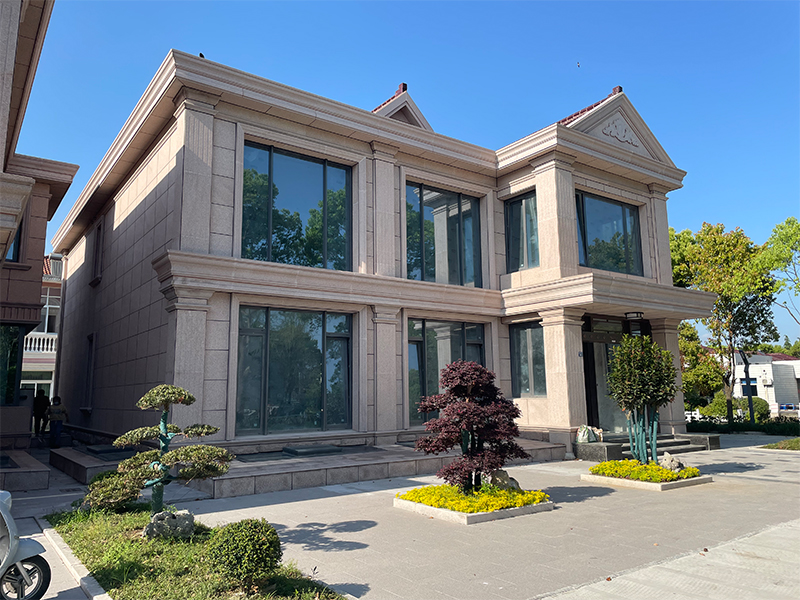
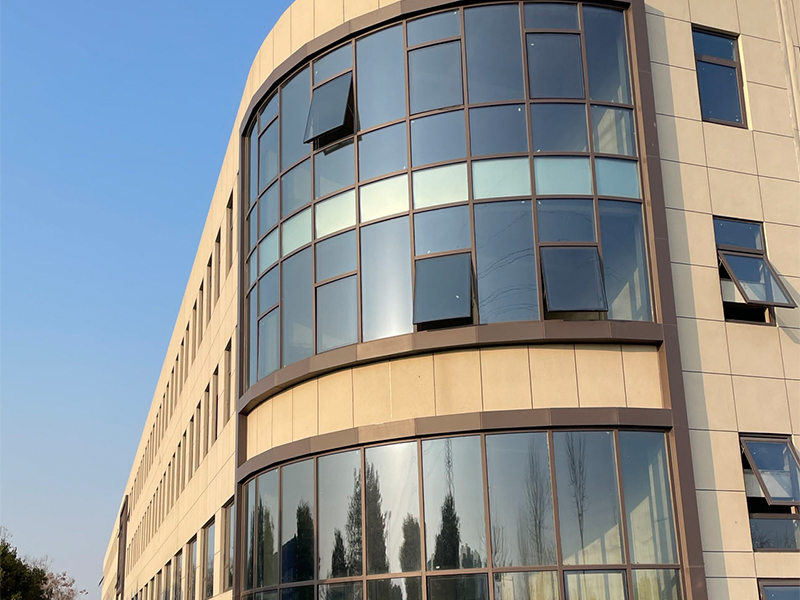
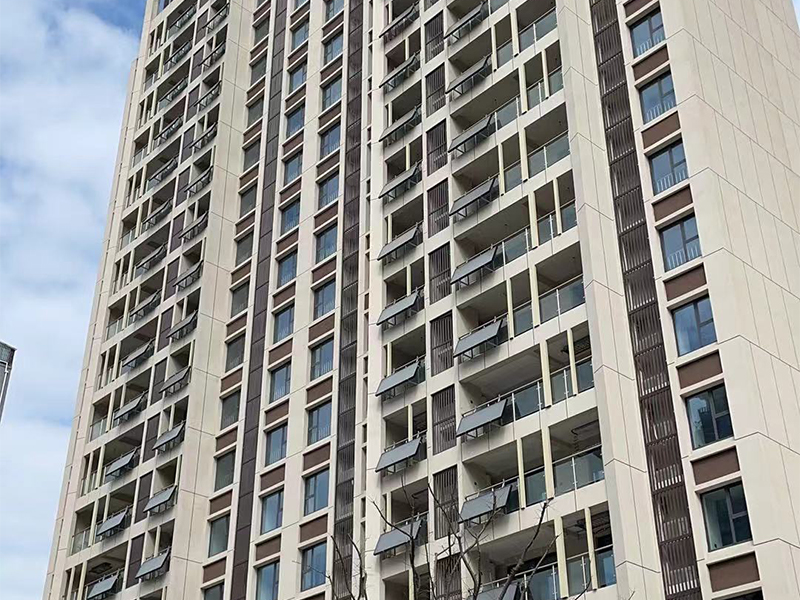
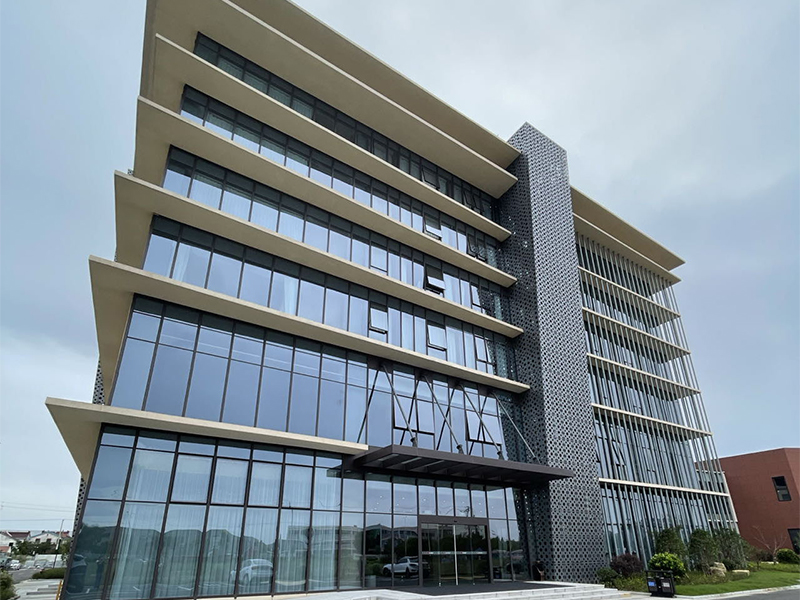
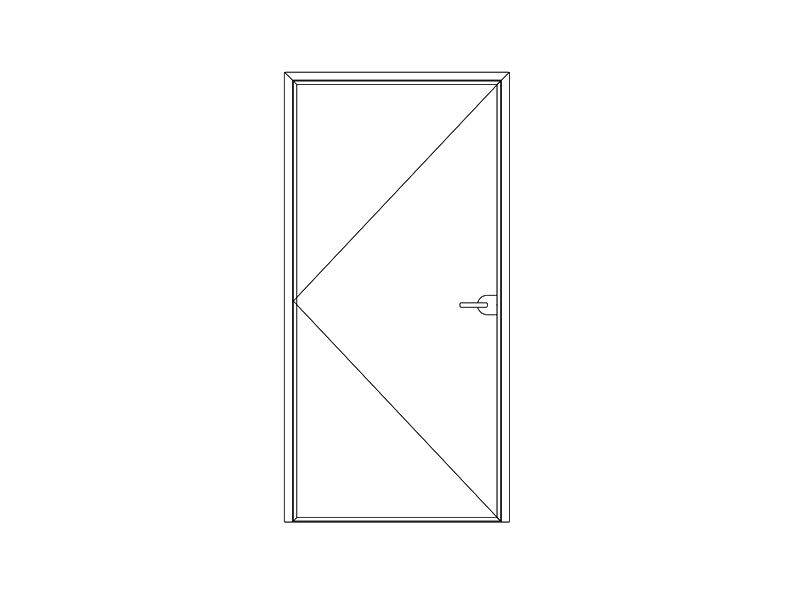
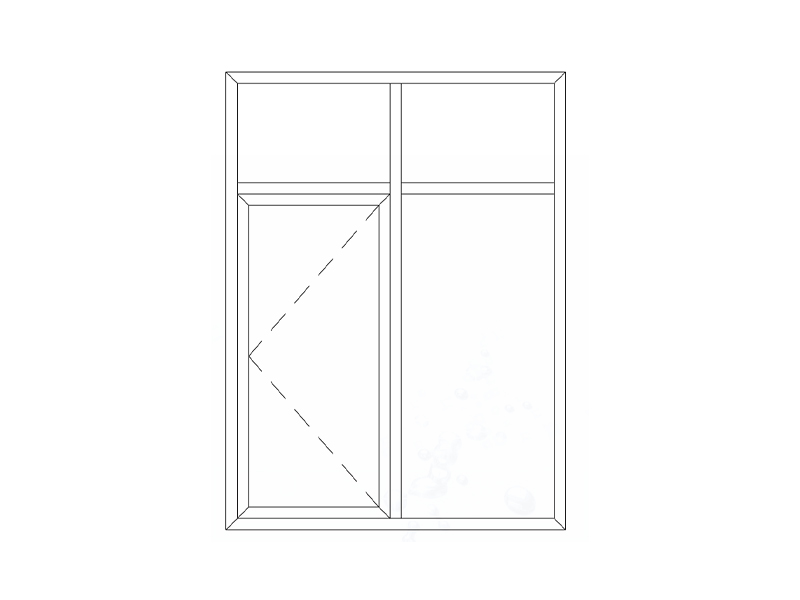
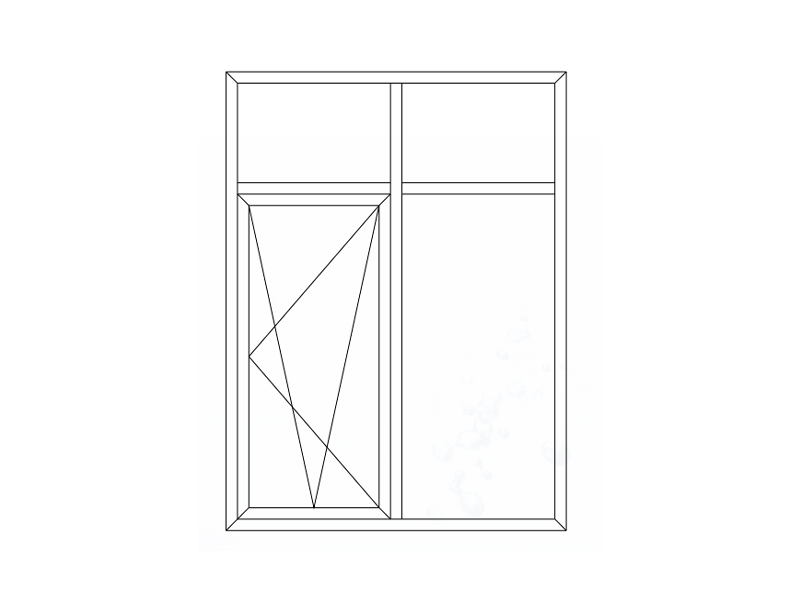
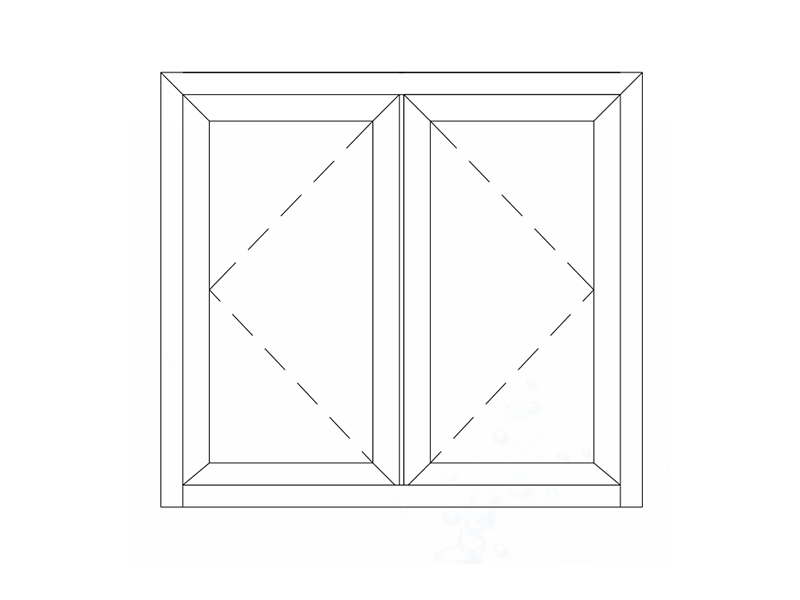
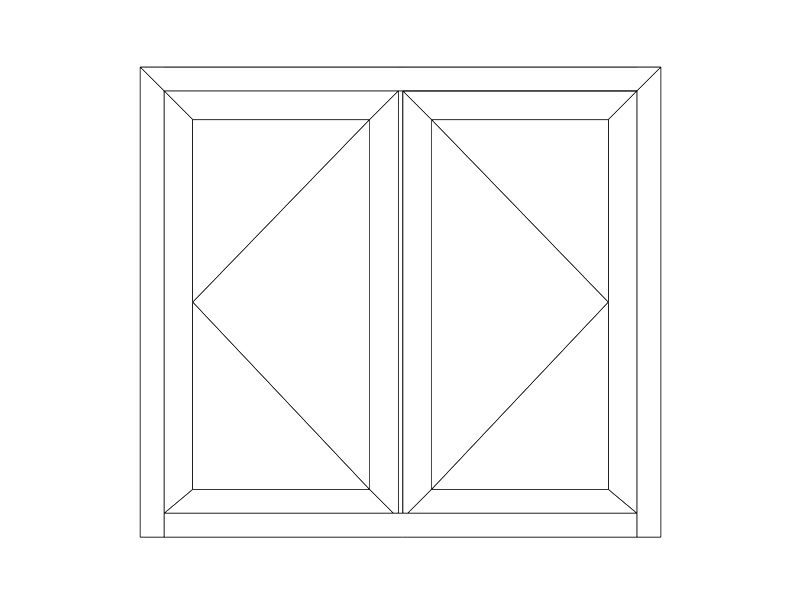
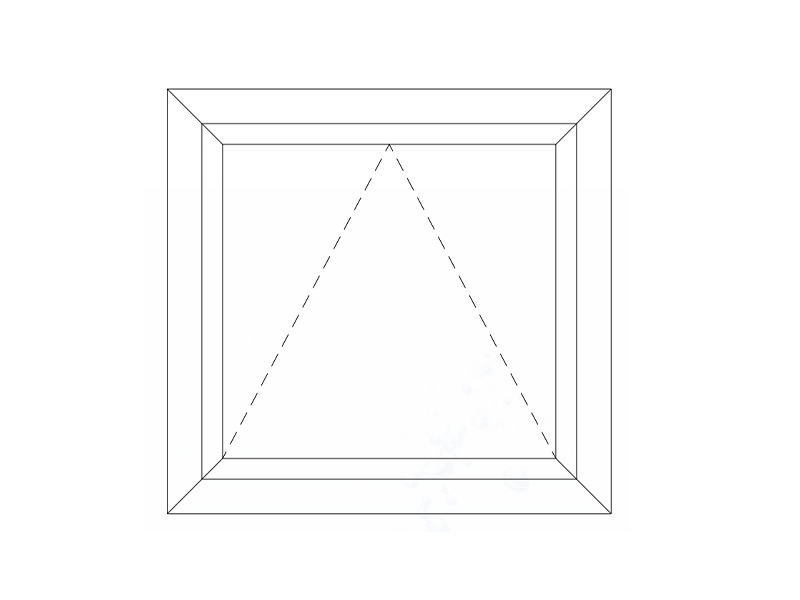
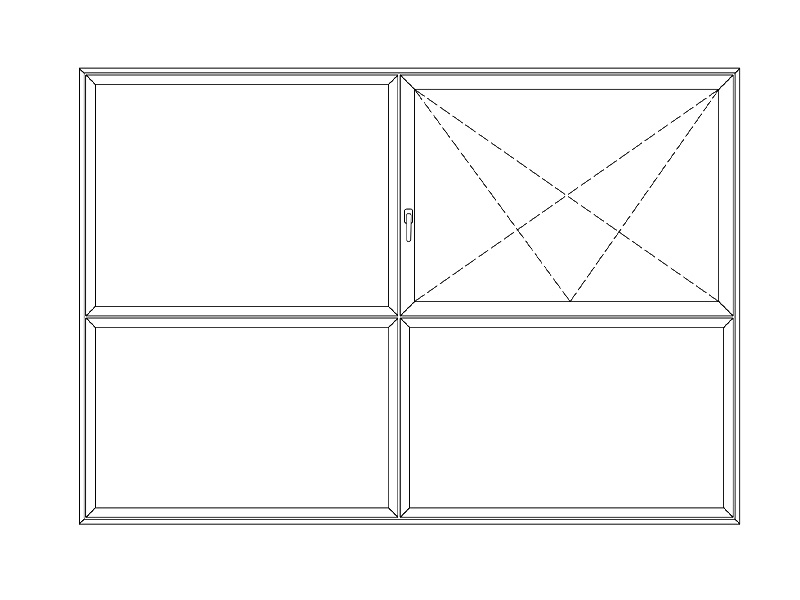
Architectural aluminium frames are designed around weather sealing, drainage, thermal performance, and smooth operation. A window frame is not simply a T-slot profile with glass attached. It needs the right gasket, hardware, and profile geometry to handle rain, wind, and daily use. Thermal-break profiles add an insulating barrier between the inner and outer sections, which is important in heated or cooled buildings.
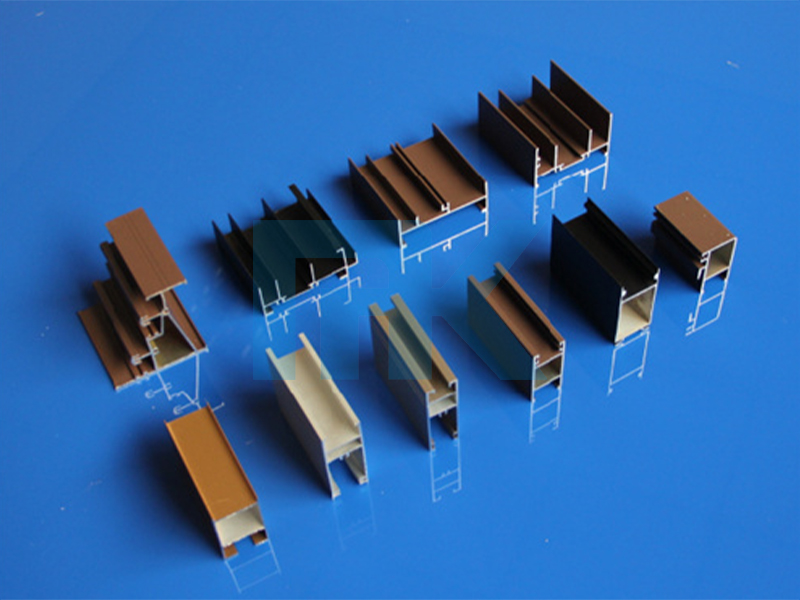 Windows and Doors Aluminum Extrusion ProfilesA category of MK window and door aluminum extrusion profiles for building frames, mainly 1.8 mm wall, with selected thermal-break and non-thermal-break models.View Product →
Solar mounting frames
Solar frames and rails carry steady loads plus wind and snow loads over many years. They need careful attention to rail spacing, clamp positions, fastener torque, and roof interface details. A frame that works well on a sheltered ground mount may not be suitable for an exposed roof. The best approach is to treat the mounting system as a whole, not as a collection of separate parts.
Custom frames and enclosures
Custom aluminium frames often sit around electronics, power resistors, control gear, or specialist equipment. Here the frame may be an extruded enclosure rather than an open structure. Cutting, drilling, tapping, and finishing all matter, because the frame is part of the product, not just a support. Small changes in wall thickness or internal clearance can affect fit, cooling, and assembly time.
Choosing the Right Profile and Connection
The first question is not “which profile is cheapest?” It is “what does the frame have to do?” A light cover panel and a machine base may both look like boxes, but they need very different sections, joints, and fixing methods. Start with duty, span, and environment, then work back to the profile.
- Define the load: static weight, moving load, wind, vibration, or impact.
- Check the unsupported span and decide where bracing will be added.
- Choose a profile series with enough section depth and wall thickness.
- Select connectors and fasteners that match the slot and load direction.
- Confirm the finish and hardware for indoor, outdoor, or wet conditions.
| Frame approach | Typical profile form | Where it fits best | Main watch-out |
|---|---|---|---|
| T-slot modular frame | Slotted extruded profile | Machine frames, workstations, guards, cabinets | Bracing and joint stiffness |
| Window and door frame | Architectural profile with gaskets | Residential, commercial, and project buildings | Weather sealing and hardware |
| Solar mounting frame | Rails, brackets, and clamps | Roof, ground, and carport installations | Wind uplift and fastener torque |
| Custom enclosure frame | Extruded case or machined profile | Electronics, power resistors, control gear | Fit, cooling, and finish |
Connectors deserve as much attention as profiles. A 90-degree bracket, a central connector, and a T-slot nut all behave differently under load. Using a connector outside its intended direction, or mixing fasteners from different systems, can create a frame that feels tight on the bench but loosens under vibration. If you are new to modular building, this practical guide to choosing the right aluminum profile is a useful next step.
Where Aluminium Frames Earn Their Keep
Industrial automation is one of the clearest applications. Machine frames, workstations, safety fences, and conveyor supports need to be built quickly, adjusted on site, and extended when the process changes. A modular frame lets maintenance teams replace a panel or add a guard without cutting the whole structure apart.
 Machine Frames for Modular Aluminum Profile SystemsApplication page showing machine frames built from MK T-slot aluminum profiles, with related fasteners and accessories for adaptable automation structures.View Product →
In buildings, aluminium frames appear in windows, doors, balustrades, fences, sunrooms, and drainage covers. Here the frame has to look right, seal properly, and tolerate years of use. In solar projects, aluminium rails and brackets hold panels in place across roofs and open ground, where wind and weather do most of the testing. In custom equipment, aluminium frames protect and cool electrical components while keeping the assembly manageable.
What connects these uses is not a single profile type. It is the habit of matching the frame to the installation. A good frame is quiet: it does not rattle, leak, twist, or need constant adjustment. That quiet performance comes from sensible choices made before the first cut.
Practical Checks Before You Order
Before confirming a frame order, run through the basics with the supplier or design team. It is much easier to change a drawing than a delivered profile.
- Confirm the profile series, alloy, and temper for the intended load.
- Check that connectors, nuts, and bolts are compatible with the slot.
- Review the bracing plan, especially for tall or wide frames.
- Agree on cutting tolerance, hole positions, and tapping details.
- Match the finish to the environment and the expected cleaning routine.
- Ask how replacement parts and later additions will be handled.
At MK, we would rather ask a few more questions at the start than solve a fit problem on site. A short conversation about the application, the load, and the assembly method often saves more time than a long list of profile options. That is also why we keep frame components, fasteners, and application parts within clear product families.
An aluminium frame is a simple idea with a lot of detail behind it. Whether you are building a machine guard, a window system, a solar mount, or a custom enclosure, begin with the duty and the environment, then choose the profile and connection method. If you keep the frame modular where change is likely, and purpose-made where performance is critical, the result will be easier to build and easier to live with. We are always glad to talk through the practical side of a frame project and help narrow the options before anything is cut.